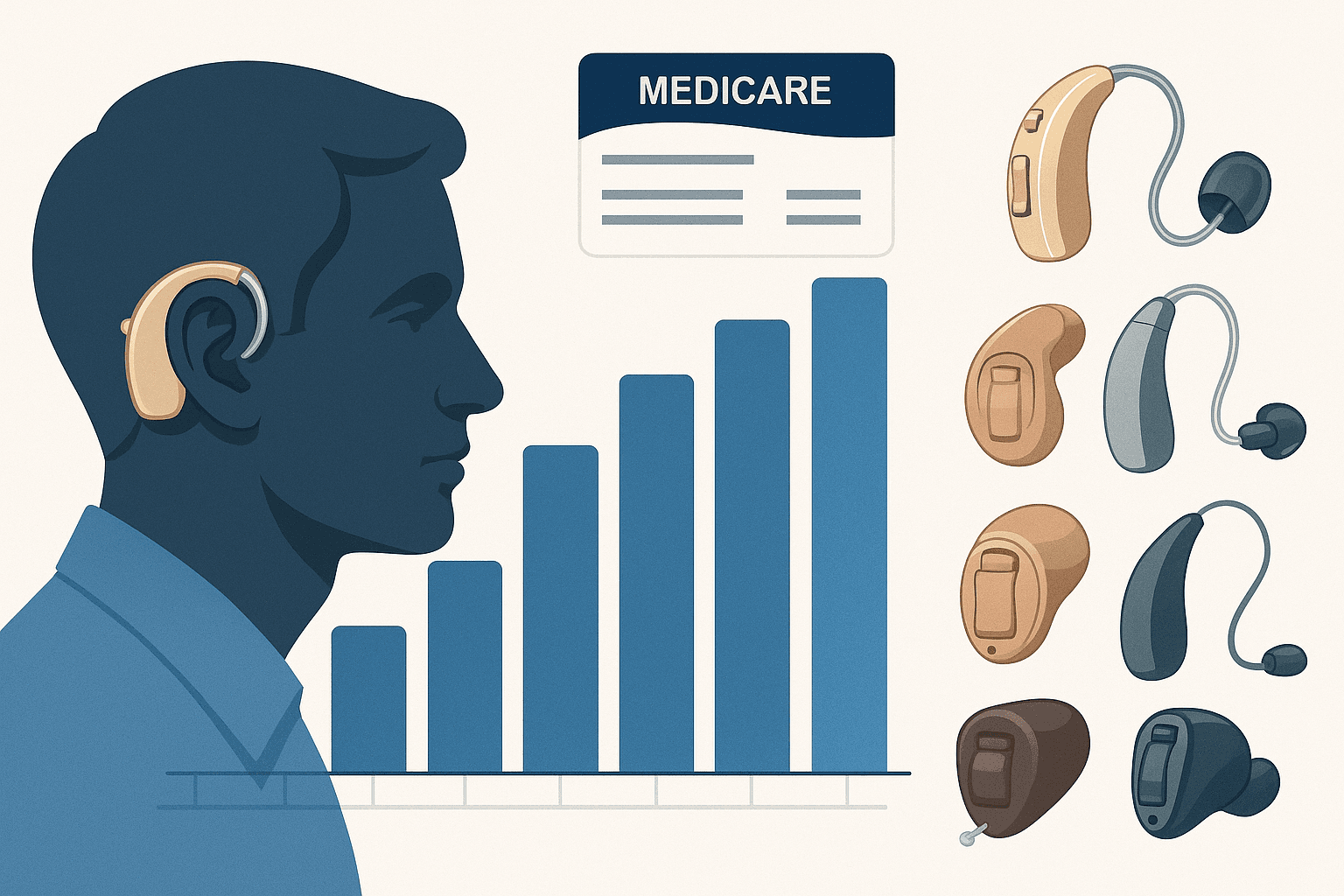
This is the single most misunderstood point about hearing coverage (learn more about healthcare cost strategy guide), so it is worth being clear before you shop. Below is exactly what Medicare does and does not pay for, the top hearing aids you can get through covered plans, and how to lower your out-of-pocket cost.
What Medicare actually covers in 2026
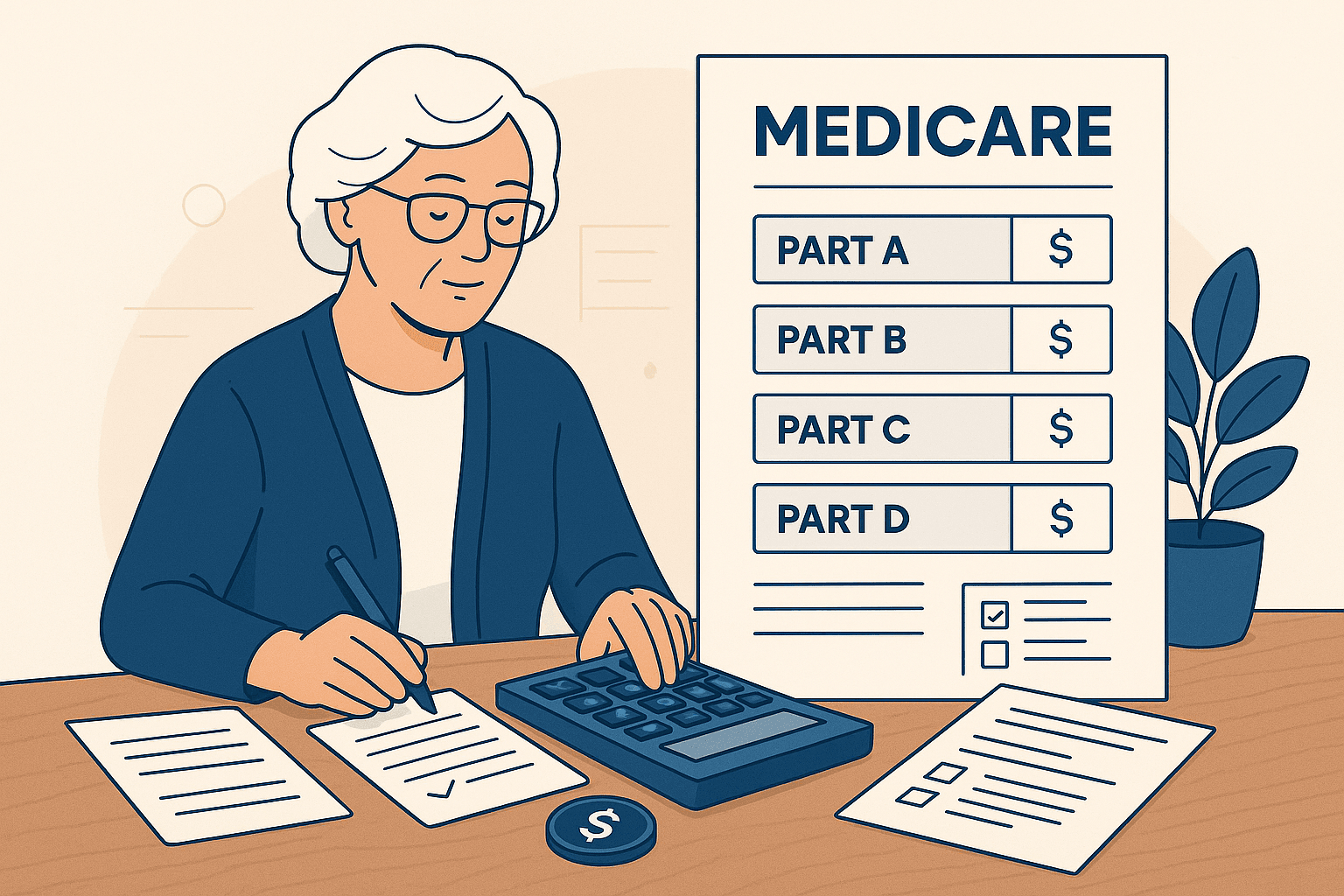
Original Medicare does not pay for hearing aids or routine hearing exams. Medicare Part B will cover a diagnostic hearing exam if your doctor orders it to diagnose a medical condition, but not exams for fitting hearing aids.
Medicare Advantage (Part C) plans are different. Most now include some hearing benefit — typically an allowance ($500–$2,500+ per ear or per year), discounted devices through a network like TruHearing or Nations Hearing, or a fixed copay per device. Because benefits reset January 1, the start of the year is the time to use or plan around them.
How hearing aids are "covered"
Most Medicare Advantage hearing benefits work one of two ways: a device allowance you apply toward a hearing aid from an approved manufacturer, or a fixed copay for a specific tier of device through a third-party network. You usually must use an in-network provider and choose from the brands that network carries. Always confirm your plan's specific allowance, copay, and approved brands before buying.
1. Jabra Enhance — Best for value and remote care
Often available through Advantage networks and direct-to-consumer, Jabra Enhance (formerly Lively) pairs quality rechargeable devices with telehealth audiology support, making it a strong value pick.
2. Starkey — Best for advanced features
Starkey offers premium devices with health-tracking, fall detection, and strong noise handling — frequently available through MA networks at a copay.
3. Phonak — Best for severe hearing loss
Phonak is known for powerful devices that handle moderate-to-severe and profound loss well, plus excellent Bluetooth connectivity to phones and TVs.
4. ReSound — Best for connectivity and app control
ReSound devices offer industry-leading smartphone integration and fine-tuning through their app, ideal for tech-comfortable users.
5. Signia — Best for natural sound and rechargeability
Signia focuses on natural own-voice processing and long battery life, with a wide range of styles from nearly invisible to behind-the-ear.
6. Widex — Best for sound quality / music
Widex is favored by users who prioritize the most natural, high-fidelity sound, including music listeners.
7. Eargo — Best over-the-counter option
For mild-to-moderate loss, Eargo offers FDA-cleared OTC hearing aids you can buy without an exam. While not "covered" by Medicare, they are far cheaper and some Advantage plans or HSA/FSA funds can help offset the cost.
Medicare Advantage vs. OTC hearing aids
If you have moderate-to-severe loss or want professional fitting, a Medicare Advantage hearing benefit with a brand like Phonak, Starkey, or ReSound is usually the better route. If you have mild-to-moderate loss and want the lowest cost, OTC devices like Eargo or Jabra Enhance can save thousands — though you give up in-person audiology support.
How to lower your out-of-pocket cost
Review your Medicare Advantage plan's hearing benefit during Open Enrollment (Oct 15–Dec 7) and switch if another plan offers better hearing coverage. Use in-network providers to access the full allowance. Ask about TruHearing or Nations Hearing pricing. Consider OTC devices for milder loss. And check whether an HSA/FSA can cover the gap.
Bottom line
Original Medicare will not buy your hearing aids in 2026 — but the right Medicare Advantage plan can cover much of the cost, and OTC devices offer a budget path for milder loss. The best device for you depends on your degree of hearing loss and what your specific plan's network carries, so confirm coverage before you commit.
This article is for general educational purposes and is not medical or insurance advice. Coverage, benefits, and brand availability vary by plan and change each year; confirm details with your plan and a licensed audiologist or benefits advisor.