By the SeniorSimple Editorial Team — practical guidance for living well after 55. This is educational information, not medical or purchasing advice; confirm current pricing and features directly with each provider.
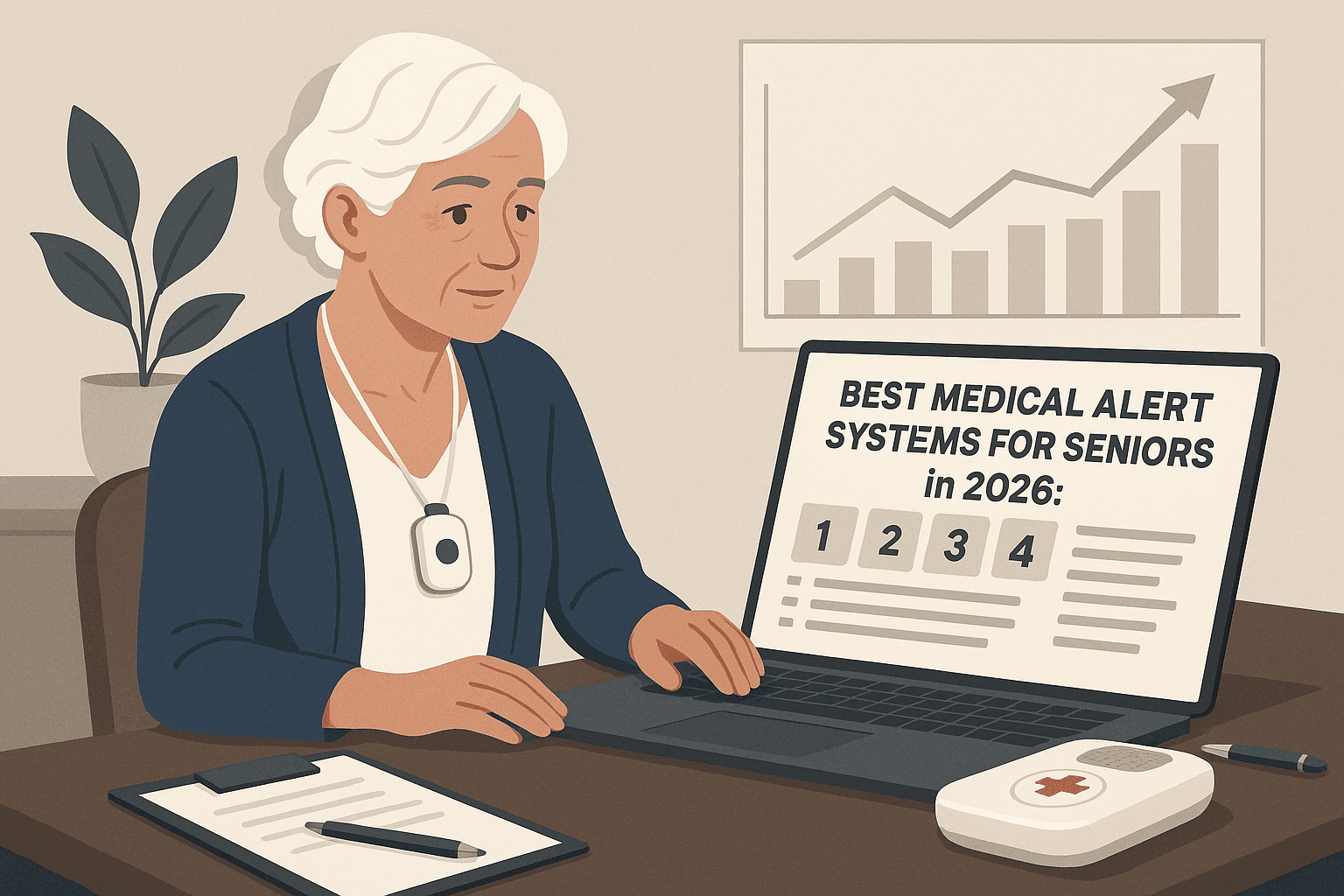
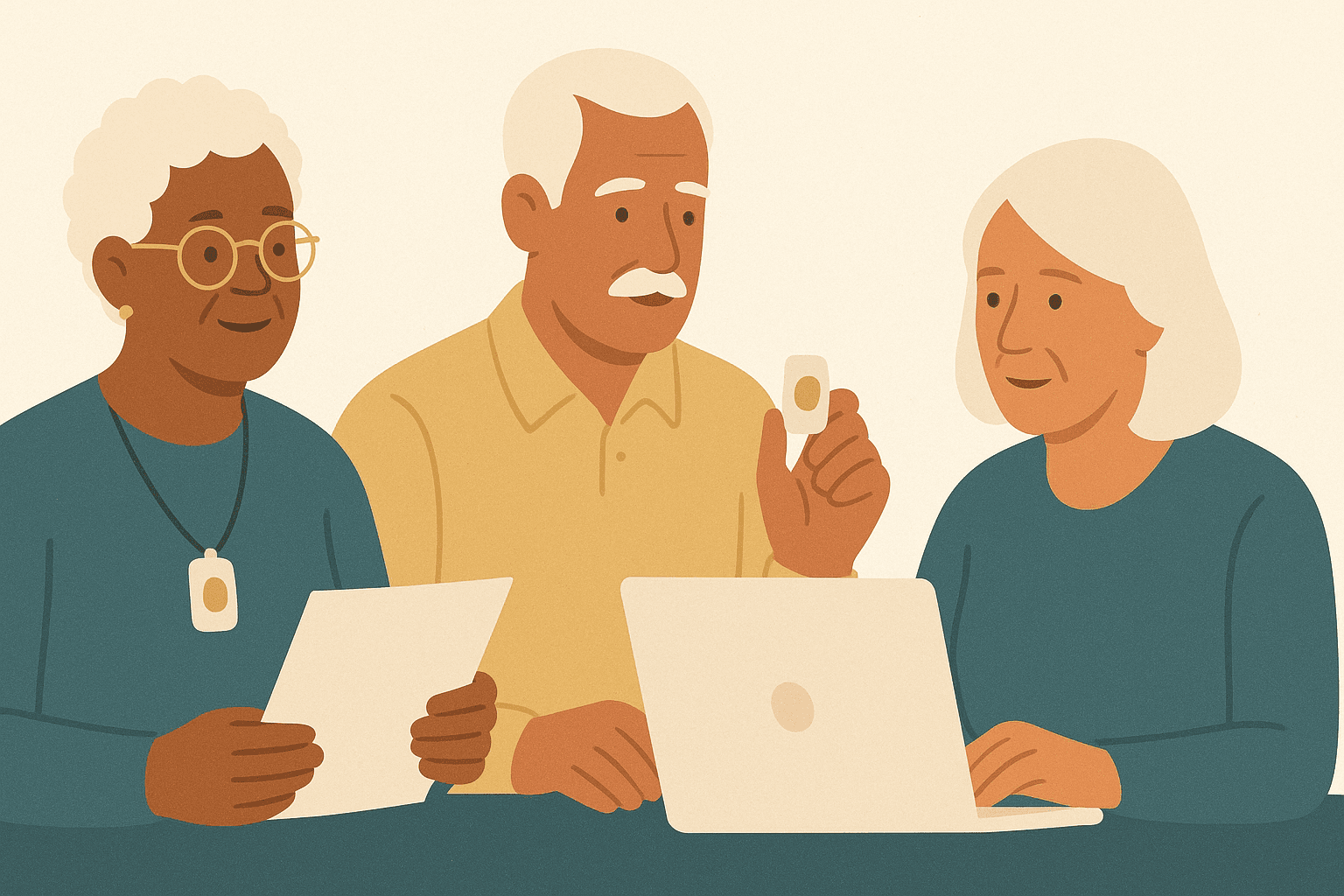
A medical alert system is one of the simplest ways to keep your independence while giving you and your family peace of mind. If you fall or feel unwell, one button press connects you to trained help — and modern devices add GPS, fall detection, and even smartwatch-style designs. Here are eight of the most trusted options, and how to pick the one that fits your life.
How to choose the right system
Start with three honest questions:
- Where will you use it? Mostly at home points you toward an in-home system; an active lifestyle calls for a mobile/GPS device you wear out.
- Do you want fall detection? Automatic fall detection calls for help even if you can't press the button — usually a few extra dollars a month, and well worth it if you're at higher risk of falls.
- What's the real monthly cost? Look past the headline price for activation fees, equipment charges, and contract terms. The best providers avoid long-term contracts.
Most quality systems run roughly $25–$45 a month, with fall detection adding about $10.
1. Medical Guardian — best overall
A wide lineup from simple in-home units to sleek mobile and smartwatch devices, with reliable U.S.-based monitoring and no long-term contracts. Best for: most seniors wanting choice and quality.
2. Bay Alarm Medical — best value
Consistently affordable plans, a well-reviewed monitoring center, and options for home, mobile, and in-car help buttons. Best for: budget-conscious shoppers who won't compromise on reliability.
3. MobileHelp — best for no landline
Cellular-based systems that work without a home phone line, with simple bundles for home and on-the-go. Best for: seniors without landlines who want straightforward pricing.
4. Lively (Lively Mobile Plus) — best wearable simplicity
A lightweight, all-in-one mobile device with urgent response and helpful extras, from the makers of the easy-to-use Jitterbug phones. Best for: those who want one simple device they can take anywhere.
5. Aloe Care Health — best for families and caregivers
Voice-activated home hubs and a strong caregiver app that keeps loved ones informed and connected. Best for: families coordinating care from a distance.
6. LifeFone — best for customizable plans
Flexible plans, optional caregiver tools, and long battery life, with no equipment fees on many options. Best for: seniors who want to tailor features to their needs.
7. GetSafe — best for limited mobility at home
A home system designed so you can call for help by voice or wall-mounted buttons without wearing a pendant. Best for: those who dislike wearing devices.
8. ADT Health — best brand recognition
Backed by a well-known monitoring name, with in-home and mobile options. Best for: those who value an established security brand.
What to look for before you buy
- 24/7 U.S.-based monitoring with fast response times.
- No long-term contracts and clear, all-in pricing.
- Battery life and range that fit your home and routine.
- Fall detection if you've fallen before or have balance concerns.
- A 30-day trial or money-back guarantee so you can test it risk-free.
Quick comparison
- Best overall: Medical Guardian
- Best value: Bay Alarm Medical
- Best for no landline: MobileHelp
- Best simple wearable: Lively
- Best for caregivers: Aloe Care Health
Frequently asked questions
Does Medicare pay for medical alert systems?
Original Medicare generally does not cover them, but some Medicare Advantage plans offer them as a supplemental benefit. Check your specific plan, and ask providers about senior or AARP discounts.
Is fall detection worth the extra cost?
For most seniors at risk of falls, yes. It can summon help automatically when you're unable to press the button — the situation where it matters most.
Do I need a landline?
No. Most modern systems use cellular connections, so a home phone line isn't required.
The bottom line: match the device to where you spend your time, add fall detection if falls are a concern, and choose a provider with no contracts and a money-back trial — Medical Guardian and Bay Alarm Medical are strong starting points for most seniors.
Authoritative sources