This article is educational and is not medical or insurance advice. Discount cards are not insurance and cannot be combined with Medicare on the same purchase.
How drug discount cards work — and their one key rule
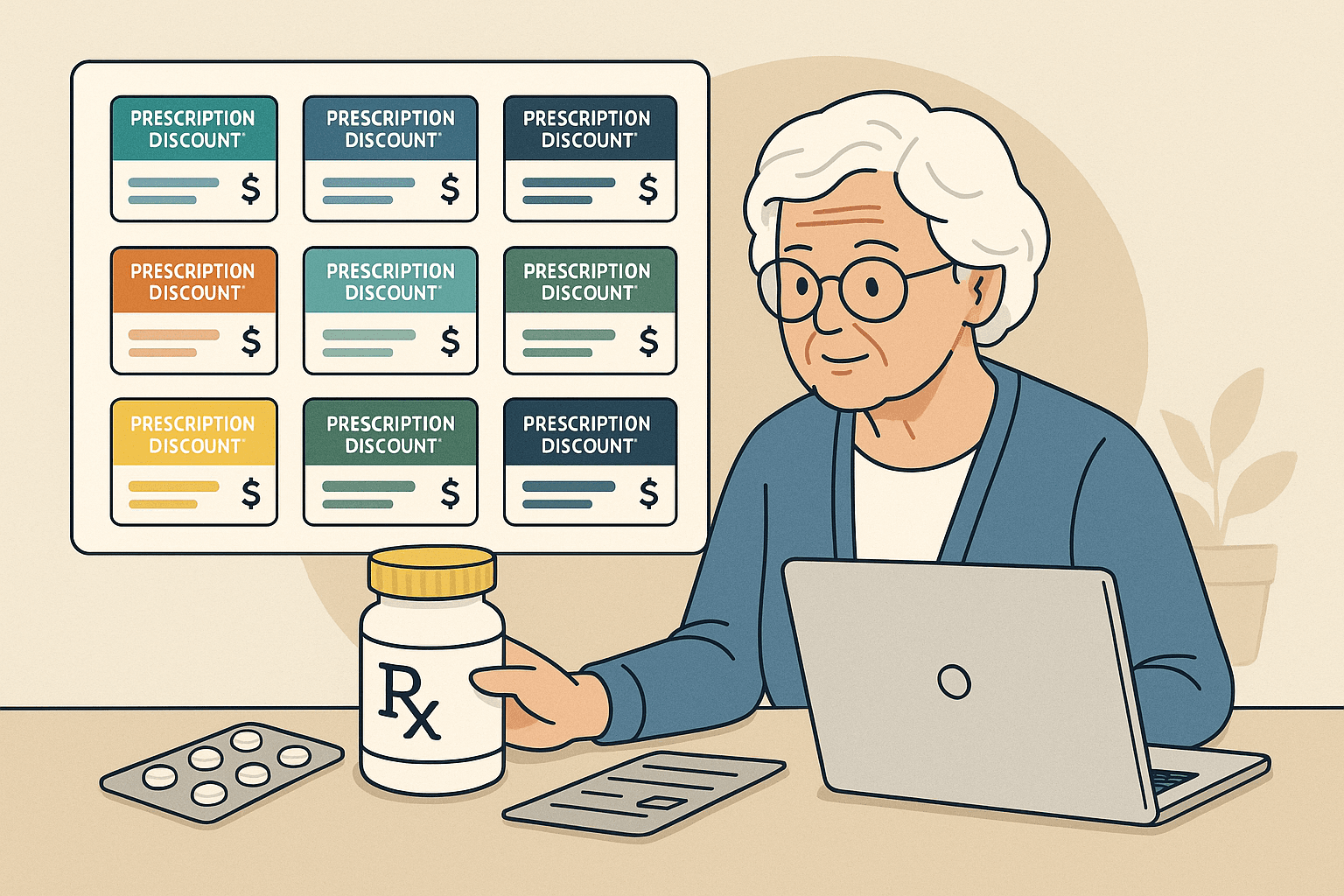
Discount cards are run by pharmacy benefit managers who pre-negotiate cash prices with pharmacies. You show the card (or app coupon) at checkout and pay the discounted cash price instead of the pharmacy's list price. They are free, require no enrollment in most cases, and have no income limits.
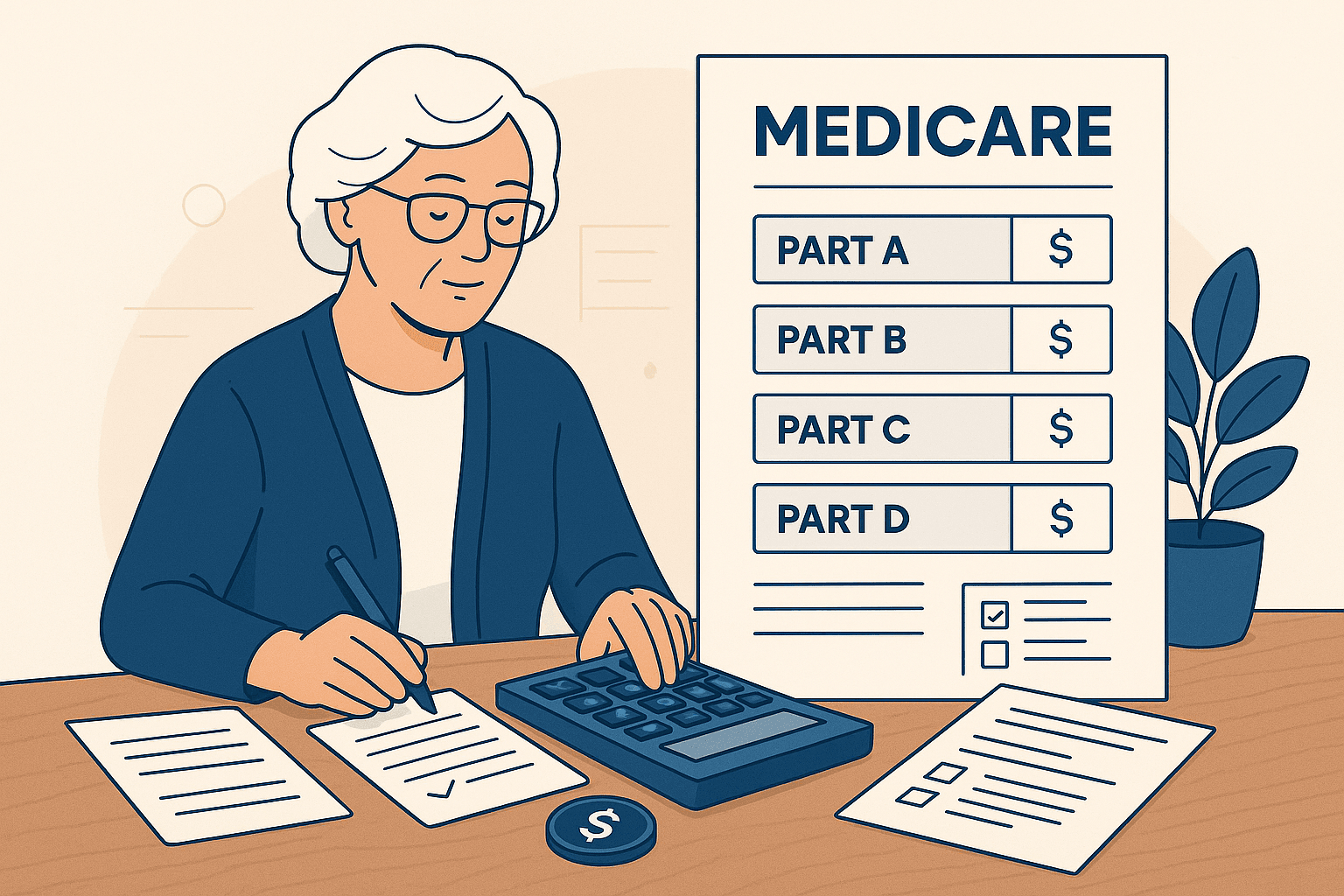
The one rule every senior must know: you cannot use a discount card and Medicare on the same prescription at the same time. You choose one or the other per fill. That is exactly why they are valuable — sometimes the discounted cash price beats your Medicare copay, especially for generics or while you are in your Part D deductible.
The 8 best prescription discount programs for seniors in 2026
1. GoodRx (best overall coverage)
The most widely accepted program, accepted at the large majority of U.S. pharmacies, with a free app that compares prices across nearby stores. Best for: comparing prices fast on almost any drug at almost any pharmacy.
2. SingleCare (best for beating GoodRx on specific drugs)
Frequently posts lower prices than GoodRx on certain medications, so it is the obvious second card to check. Best for: cross-checking your specific prescription for a lower price.
3. RxSaver (best price-comparison tool)
A straightforward comparison platform that surfaces coupon prices across pharmacies. Best for: seniors who want a simple side-by-side price check.
4. NeedyMeds (best nonprofit resource hub)
A nonprofit that offers a free discount card plus a directory of patient-assistance and copay programs. Best for: connecting low-income seniors to deeper assistance beyond a single coupon.
5. State Pharmaceutical Assistance Programs / SPAPs (best for qualifying low-income seniors)
Many states run SPAPs that help eligible seniors pay for prescriptions, sometimes coordinating with Medicare Part D. Best for: residents of states with an active SPAP who meet the income rules.
6. Medicare Extra Help / Low-Income Subsidy (best government benefit)
Not a card, but the most powerful savings for qualifying seniors — Extra Help can dramatically reduce Part D premiums, deductibles, and copays. Best for: seniors with limited income and assets who should apply through Social Security.
7. Manufacturer patient-assistance programs (best for brand-name drugs)
Drugmakers offer assistance programs that can provide brand-name medications free or at steep discounts to qualifying patients. Note that manufacturer copay coupons are generally not allowed for Medicare beneficiaries, but income-based patient-assistance programs often are. Best for: expensive brand-name prescriptions with no generic.
8. Pharmacy and retailer membership programs (best for routine generics)
Some pharmacies and big retailers run their own low-cost generic lists and membership savings programs. Best for: seniors who fill common generics and want a flat, predictable low price.
How seniors should actually use these
The biggest savings come from a simple routine at each refill:
- Compare before you fill. Check your Medicare copay against at least two discount programs (such as GoodRx and SingleCare) for that exact drug and dose.
- Ask the pharmacist directly. Pharmacists can often tell you the lowest available cash price and which card wins.
- Split your prescriptions. It is fine to use Medicare for some drugs and a discount card for others — choose whichever is cheaper per medication.
- Watch the deductible phase. Discount-card cash prices frequently beat Medicare while you are still meeting your Part D deductible.
- Check eligibility for the bigger programs. If your income is limited, applying for Extra Help or a state SPAP can save far more than any card.
An important Medicare caveat
Spending you make with a discount card does not count toward your Medicare Part D out-of-pocket total. If you are managing toward Part D's annual out-of-pocket cap, paying with the card instead of insurance can delay reaching it. For low-cost generics that rarely matters; for expensive drugs it can, so weigh both the immediate price and your yearly Part D position.
The bottom line
For seniors in 2026, free prescription discount cards are one of the easiest ways to lower out-of-pocket drug costs — especially on generics, uncovered drugs, and during the Part D deductible. GoodRx and SingleCare are the two cards to compare first, with NeedyMeds, SPAPs, manufacturer programs, and Medicare Extra Help filling specific needs. Because prices shift by drug and pharmacy, the winning habit is simple: compare two or three options on your exact medication before every fill, and always check whether your Medicare coverage or a card is cheaper that day.