Memory Care Guide: Navigating the Journey Together
Memory care is a specialized form of long-term care designed to meet the needs of individuals with memory loss, Alzheimer's disease, or other forms of dementia. This comprehensive guide aims to provide families with the essential knowledge and tools to make informed decisions about memory care for their loved ones.
Understanding Memory Care
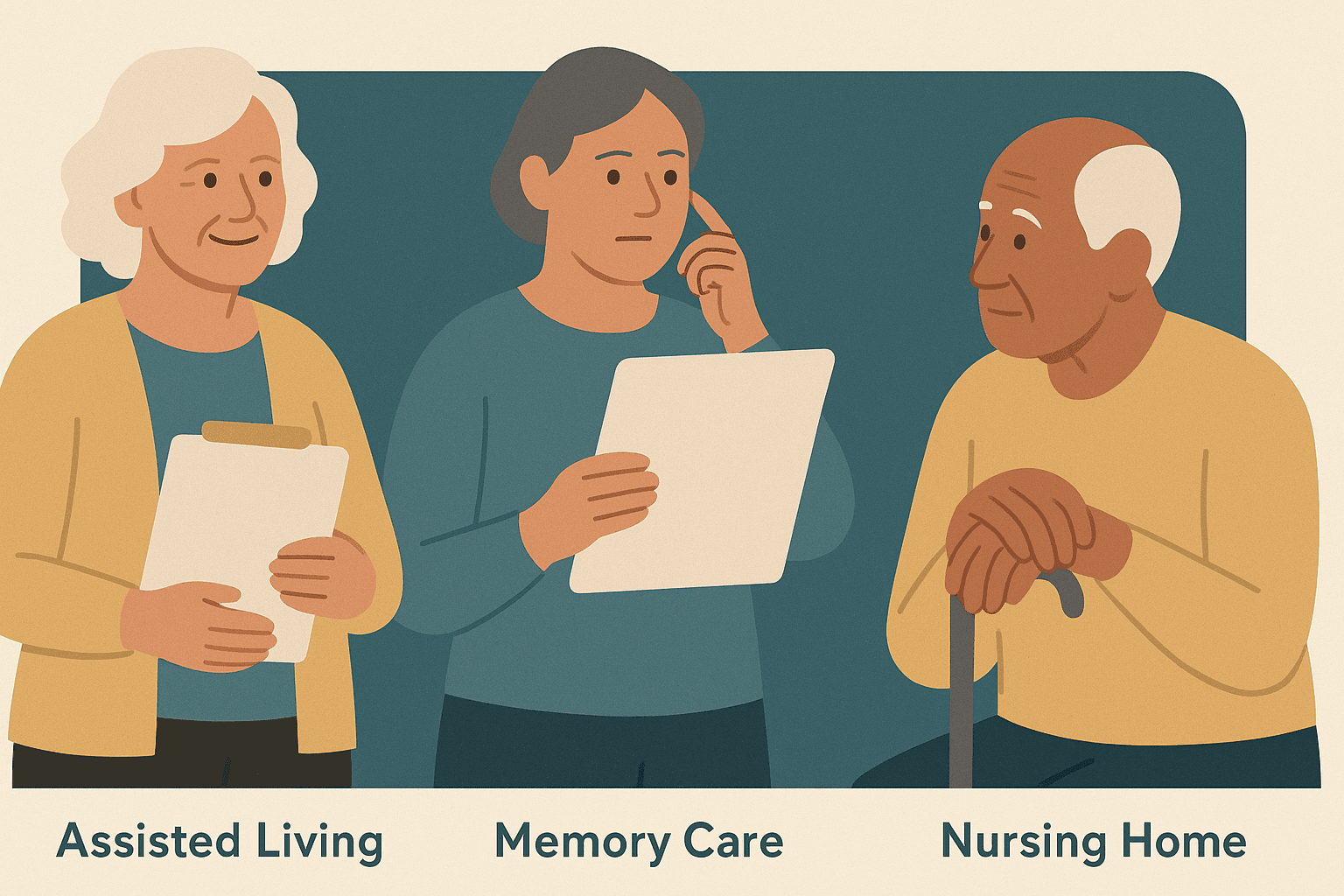
Memory care facilities offer a secure environment with structured activities and health management tailored to individuals with memory impairment.
- Staff Training and Expertise: Caregivers are specially trained to address the unique challenges of dementia.
- Safety Measures: Enhanced safety features prevent wandering and accidents.
- Therapeutic Activities: Programs are designed to preserve cognitive function and promote social engagement.
Why Memory Care?
For families, choosing memory care can be a pivotal decision driven by:
- The progressive nature of dementia requiring specialized care.
- The need for a secure environment to prevent wandering.
- The desire for their loved ones to have a quality of life with dignity.
Choosing the Right Memory Care Facility
When selecting a memory care facility, consider the following factors:
Location and Accessibility
- Proximity to family for regular visits.
- Ease of access for emergency situations.
Staff-to-Resident Ratio
- Adequate staffing ensures personalized care and attention.
- Recommended ratios vary, but a good benchmark is 1 staff member for every 4-6 residents during waking hours.
Cost and Financial Planning
- Memory care costs vary widely, with national averages ranging from $4,000 to $8,000 per month.
- Explore payment options such as long-term care insurance, Medicare (limited coverage), Medicaid (for qualified individuals), and veterans' benefits.
Facility Evaluation
- Conduct in-person visits to assess cleanliness, safety, and overall atmosphere.
- Engage with staff and observe resident-staff interactions.
- Review state inspection reports for any violations or complaints.
Legal and Financial Considerations
Navigating the legal and financial aspects of memory care is crucial. This includes:
- Advance Directives: Ensure your loved one's healthcare preferences are documented.
- Power of Attorney: Designates someone to make decisions on behalf of your loved one.
- Estate Planning: Helps manage assets and plan for future care costs.
Support for Families
The journey through dementia can be challenging for families. Seek out support through:
- Support Groups: Connect with others facing similar challenges.
- Educational Resources: Learn more about dementia and caregiving strategies.
- Respite Care: Short-term care options to give caregivers a break.
Transitioning to Memory Care
Transitioning a loved one to memory care requires sensitivity and planning:
- Prepare emotionally: Acknowledge the feelings of loss and guilt that may arise.
- Involve your loved one: Discuss the move in a gentle, positive manner, focusing on the benefits.
- Personalize the new space: Bring familiar items from home to make the new environment comforting.
Memory Care During COVID-19
The COVID-19 pandemic has introduced new challenges for memory care facilities, including:
- Enhanced infection control measures.
- Changes in visitation policies to protect residents.
- Utilization of technology to maintain family connections.
The Future of Memory Care
Innovations in memory care continue to evolve, with trends including:
- The use of technology and wearable devices for safety and health monitoring.
- Incorporation of natural and sensory elements to support well-being.
- Emphasis on inclusive design that accommodates the needs of all residents.
Conclusion
Choosing memory care for a loved one is a profound decision that affects the entire family. By understanding the essentials of memory care, evaluating facilities carefully, and planning for the legal and financial aspects, families can navigate this journey with confidence. Remember, you are not alone. Support and resources are available to guide you every step of the way.
In the words of the ancient philosopher Cicero, "Caring for those who once cared for us is one of the highest honors." As we embark on this journey together, let's hold onto the honor, love, and respect that guide us in caring for our loved ones with memory loss.