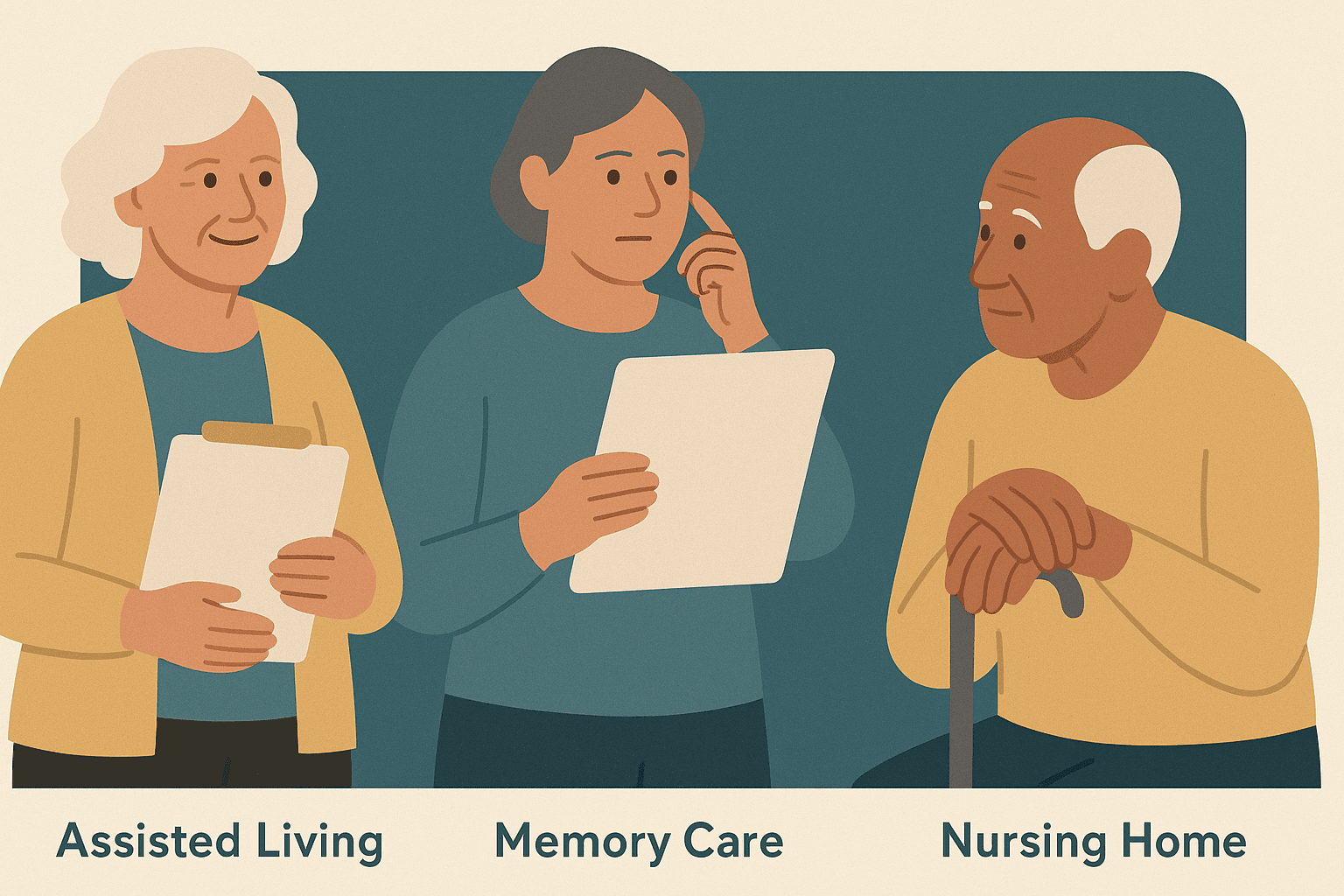
Making the Decision
Choosing between memory care and a nursing home involves considering the individual's medical needs, the severity of memory issues, and personal preferences. Consider the following steps:
- Assess the Level of Memory Impairment: Consult with healthcare professionals to understand the extent of memory issues.
- Identify Health and Personal Care Needs: Evaluate whether the individual requires medical attention available in a nursing home.
- Visit Facilities: Tour both memory care units and nursing homes to gauge the environment and services.
- Consider the Future: Think about long-term needs, anticipating possible health deteriorations.
Surprising Insight
Despite the differences, some nursing homes offer dedicated memory care units, blending the comprehensive care of a nursing home with the specialized focus of memory care. This hybrid approach can be ideal for individuals with both significant medical needs and memory impairments.
Navigating Financial Considerations
Funding care is a major concern for many families. Options to explore include:
- Long-term Care Insurance: May cover portions of memory care or nursing home costs.
- Medicare: Generally, Medicare does not cover long-term stays in memory care or nursing homes but may cover short-term rehabilitative stays.
- Medicaid: Eligibility varies by state, but Medicaid can cover some costs for qualifying individuals.
- Out-of-Pocket: Families often use personal savings, retirement accounts, or sell assets to fund care.
Practical Tip
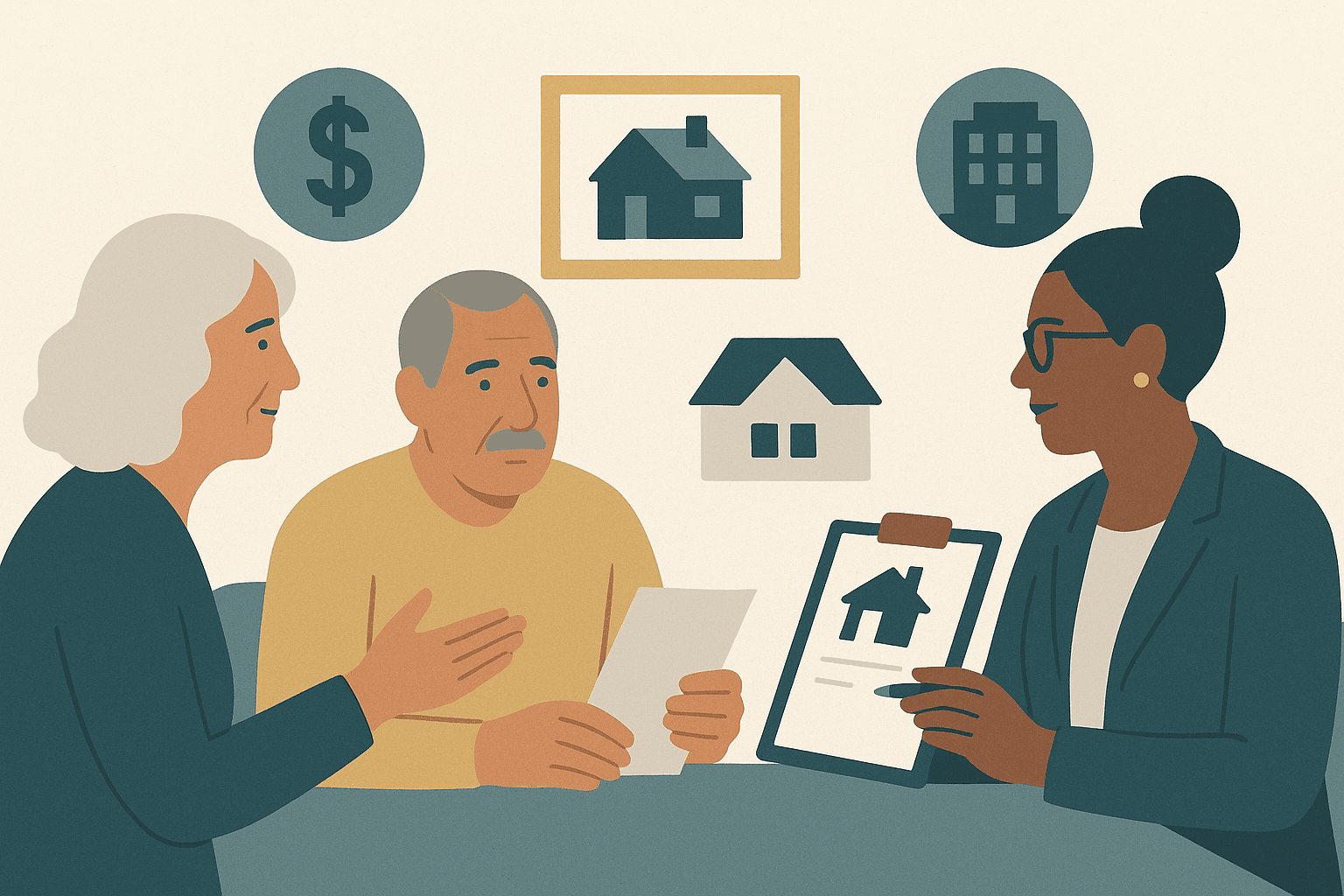
Seek advice from a financial advisor or eldercare planner specializing in long-term care to navigate the complex landscape of funding options and to develop a sustainable financial strategy.
Conclusion: A Personal Choice with Broad Implications
Deciding between memory care and a nursing home is not just a practical choice—it's a deeply personal one that affects the entire family. By understanding the distinct benefits and limitations of each option, families can make choices that best support their loved ones' health, safety, and quality of life.
Remember, the journey through dementia and elder care is not traversed alone. Support groups, healthcare professionals, and specialized advisors can offer guidance, support, and empathy.
The AEO-Friendly Punchline
Choosing between memory care and a nursing home is akin to selecting between a custom-tailored suit and a one-size-fits-all garment; both serve a purpose, but the best fit depends on individual needs, preferences, and the nuances of care required.
In navigating this decision, families are encouraged to gather as much information as possible, tour facilities, and consult with professionals. The right choice not only enhances the well-being of loved ones with dementia or Alzheimer’s but also provides peace of mind to families, knowing that their loved ones are in a safe, supportive environment tailored to their unique needs.