Scenario 5: You are divorced after a 10-plus-year marriage
If your marriage lasted at least 10 years, you can claim on your ex-spouse's record — and it does not reduce their benefit or affect their current spouse at all. You generally must be at least 62, currently unmarried, and the benefit follows the same up-to-50% rule. Many divorced people never realize they are eligible.
Scenario 6: Your ex has not filed yet
Unlike with a current spouse, your ex-spouse does not have to have claimed their benefit for you to collect on their record — as long as you have been divorced for at least two years and you are both 62 or older. This independent eligibility is a key advantage for divorced spouses.
Scenario 7: Your spouse passes away (survivor benefits)
Survivor benefits are different from, and often larger than, spousal benefits. As a widow or widower, you can receive up to 100% of what your late spouse was receiving, including any delayed-retirement credits they earned. Survivor benefits can begin as early as age 60 (or 50 if you are disabled). Because the timing rules differ, many widows and widowers benefit from claiming one benefit first and switching to the other later.
Scenario 8: You are caring for a young or disabled child
If you are caring for your spouse's child who is under 16, or a child who became disabled before age 22, you may qualify for a spousal benefit regardless of your own age — the usual 62 minimum does not apply. This "child-in-care" rule helps younger spouses and caregivers.
A note on government pensions
In the past, a rule called the Government Pension Offset reduced spousal and survivor benefits for people who received a pension from work not covered by Social Security, such as some teachers and government workers. The Social Security Fairness Act, signed into law in early 2025, repealed that offset. If your benefit was reduced under the old rule, it is worth reviewing your situation, as more people now qualify for full spousal and survivor benefits.
How to make the most of your benefits
A few practical steps:
- Check both records. Compare your own benefit to half of your spouse's before deciding when to claim.
- Mind your full retirement age. Claiming a spousal benefit early reduces it for life; there is no bonus for waiting past full retirement age.
- Coordinate as a couple. It often pays for the higher earner to delay their own benefit, since that also raises the survivor benefit later.
- Create a my Social Security account. The Social Security Administration's official tools let you see your estimates and confirm your record.
The bottom line
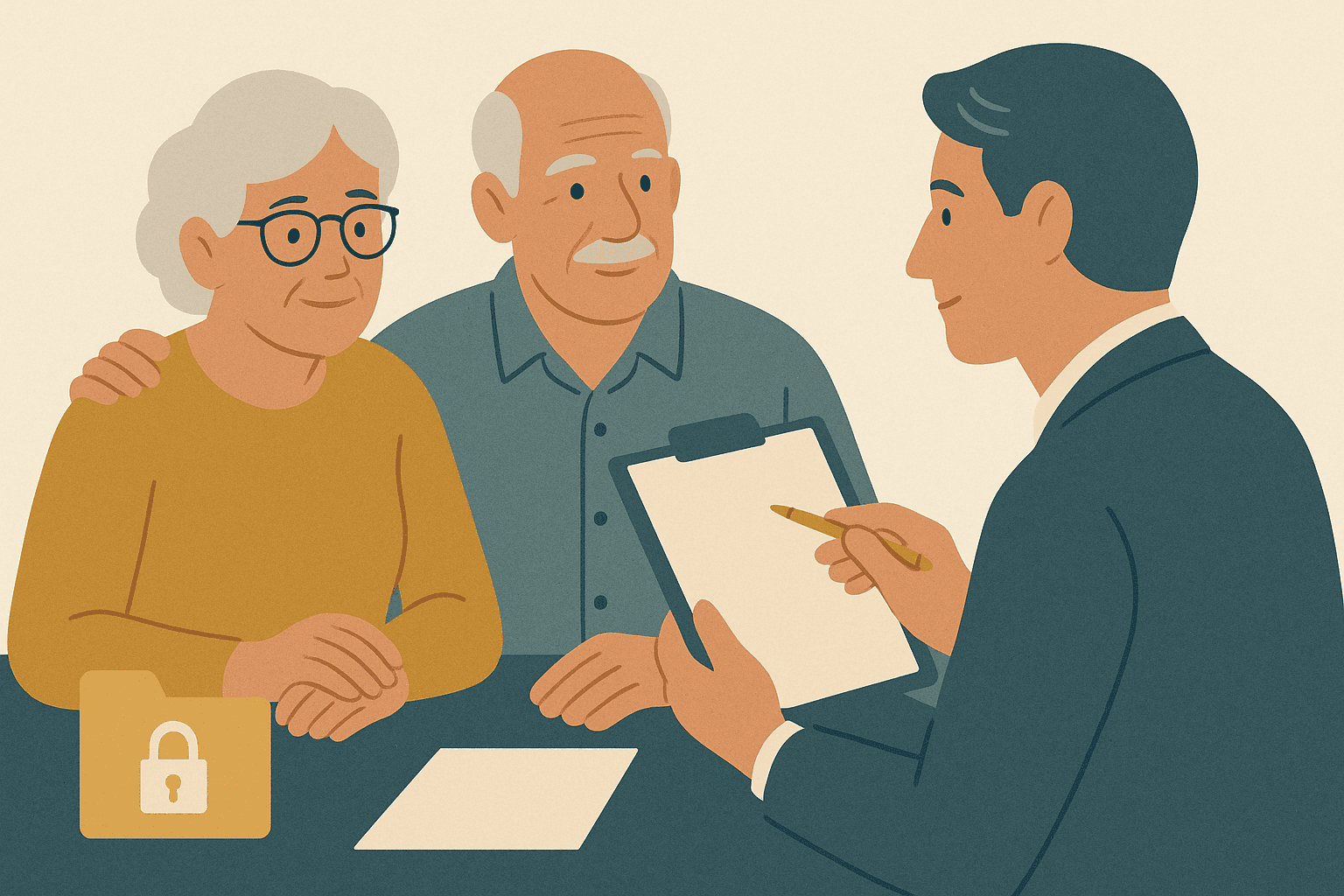
Spousal benefits can add up to half of your spouse's full benefit to your household, and survivor benefits can reach 100%. The right move depends on your marriage history, your own earnings, and your full retirement age. Because these decisions are permanent, it is worth running your specific numbers — and considering a conversation with the Social Security Administration or a trusted advisor before you file.
This article is for educational purposes and is not financial, tax, or legal advice. Social Security rules are complex and depend on your individual circumstances. Confirm your eligibility and estimates with the Social Security Administration at ssa.gov or a qualified professional before making a claiming decision.