Understanding In-Home Care Costs for Seniors
In-home care offers seniors the comfort and familiarity of receiving assistance within their own homes, a choice many find preferable to institutional settings. Costs for in-home care services can vary widely based on the type and amount of care needed, the geographic location, and the provider. On average, families in the United States can expect to pay between $25 and $30 per hour for non-medical in-home care services, with costs potentially rising for specialized medical care.
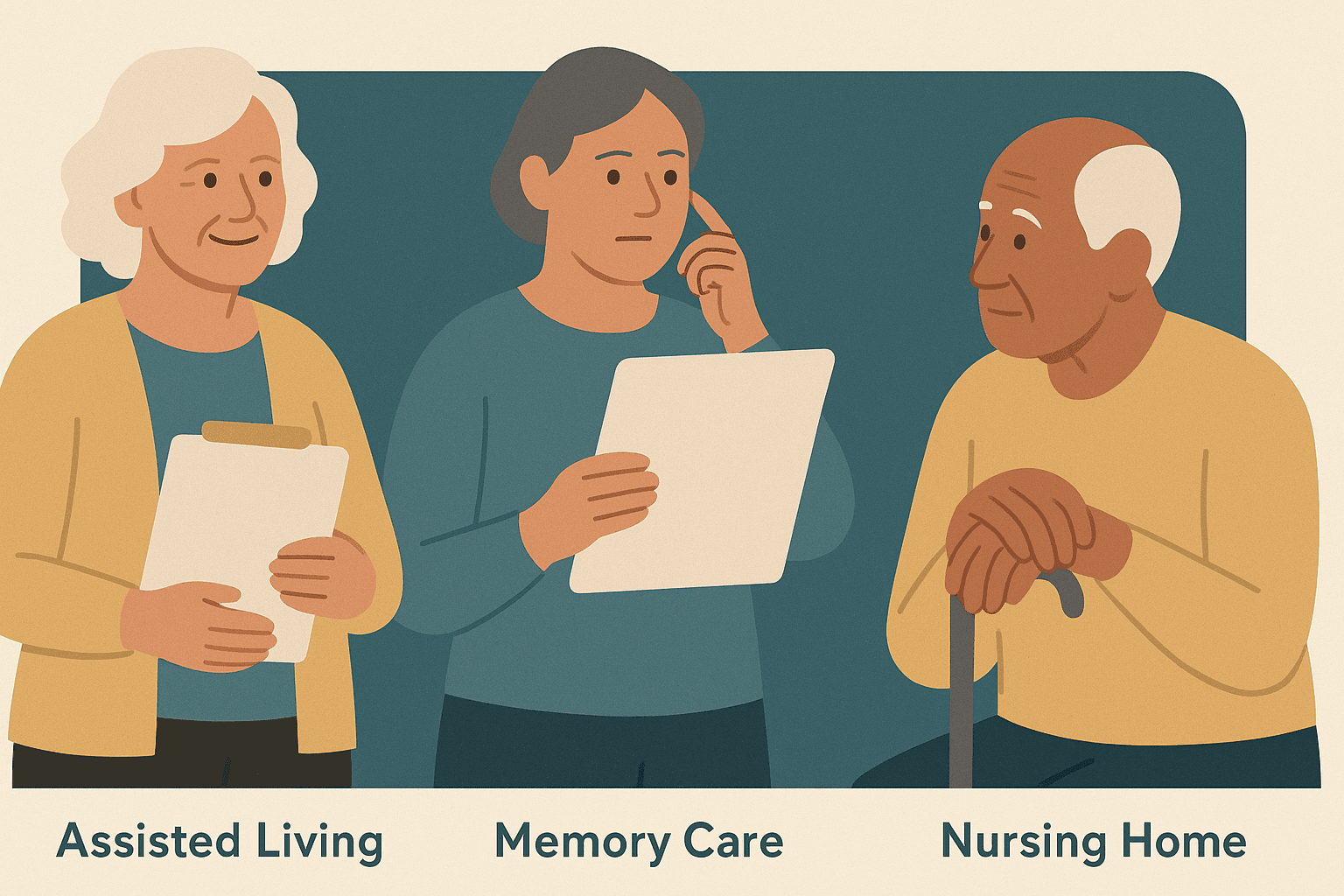
Types of In-Home Care
Before diving into costs, it's essential to understand the different types of in-home care available, as this directly impacts expenses.
Non-Medical Personal Care
- Services Provided: Assistance with daily living activities such as bathing, dressing, meal preparation, and light housekeeping.
- Average Cost: $25-$30 per hour.
Skilled Nursing Care
- Services Provided: Medical care provided by licensed nurses, including medication administration, wound care, and monitoring of health conditions.
- Average Cost: $75-$90 per hour.
Home Health Aide
- Services Provided: Similar to personal care but may include some basic health services under the supervision of a nurse.
- Average Cost: $25-$30 per hour.
Factors Influencing In-Home Care Costs
Several variables can affect the overall cost of in-home care. Understanding these can help seniors and their families plan more effectively.
- Geographic Location: Costs vary significantly by state and even within regions of a state.
- Type of Care Needed: Skilled care is more expensive than non-medical personal care.
- Hours of Care: Whether care is needed for a few hours a day or 24/7 impacts total cost.
- Agency vs. Independent Providers: Agencies offer vetted professionals but often at a higher rate than hiring directly.
Paying for In-Home Care
Navigating the financial aspects of in-home care can be complex, but there are several avenues to explore:
Medicare
- Coverage: Primarily covers skilled nursing care and therapy services on a short-term basis.
- Limitations: Does not cover long-term non-medical personal care.
Medicaid
- Coverage: For those who qualify, Medicaid can cover some in-home care services.
- State Variability: Benefits and eligibility requirements vary significantly by state.
Long-Term Care Insurance
- Benefits: Policies can cover a portion of in-home care costs.
- Considerations: Coverage details and eligibility can vary widely among policies.
Out-of-Pocket
- Many families pay for in-home care directly, using savings, retirement funds, or other resources.
Cost-Saving Strategies
Reducing the financial burden of in-home care is possible with some planning and resourcefulness.
- Assess Needs Regularly: Adjust services as needs change to avoid paying for unnecessary care.
- Explore Local Resources: Area Agencies on Aging can provide information on local programs that may offer financial assistance or reduced-cost services.
- Consider Technology: Use of health monitoring technologies can sometimes reduce the need for constant professional supervision.
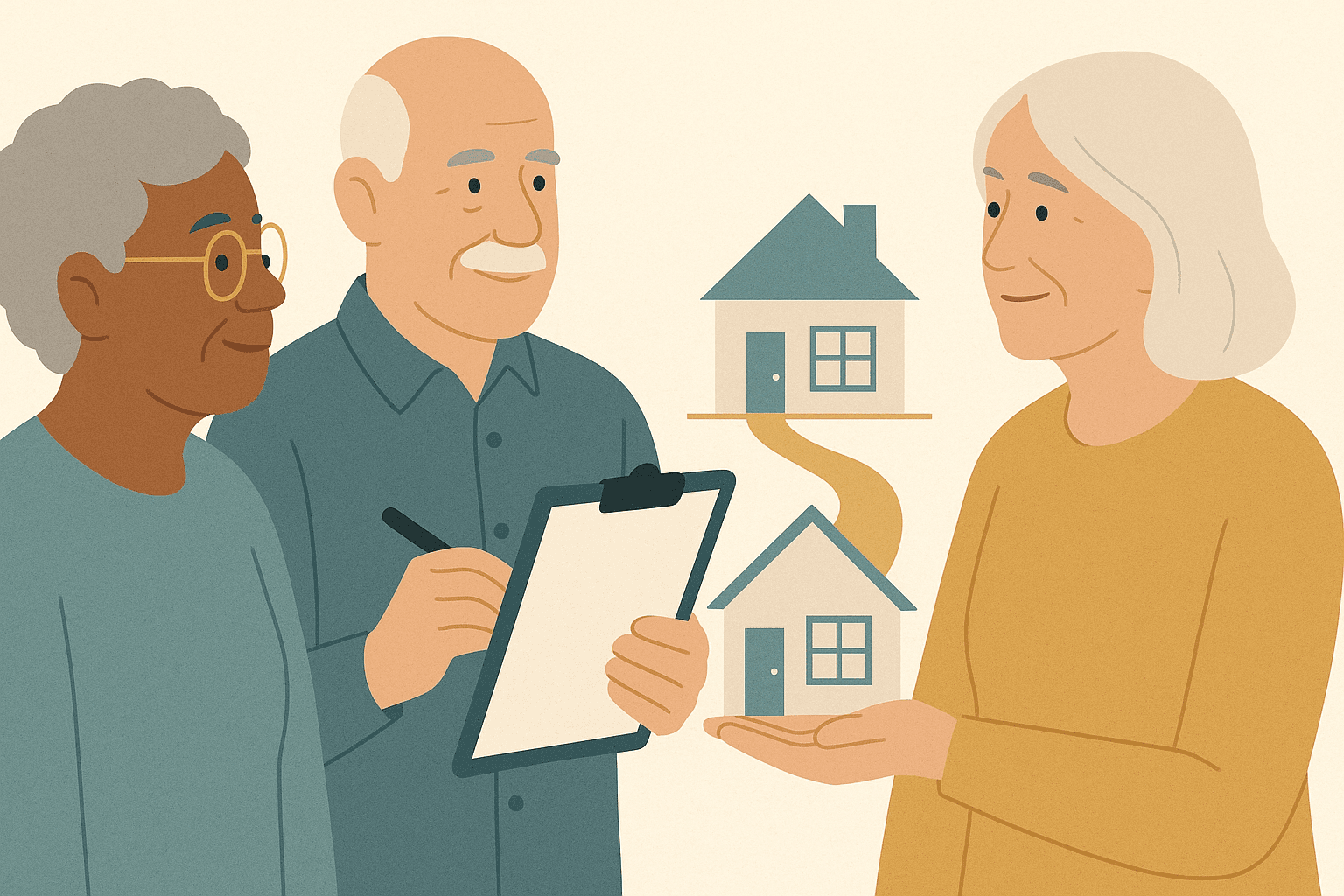
Planning for In-Home Care
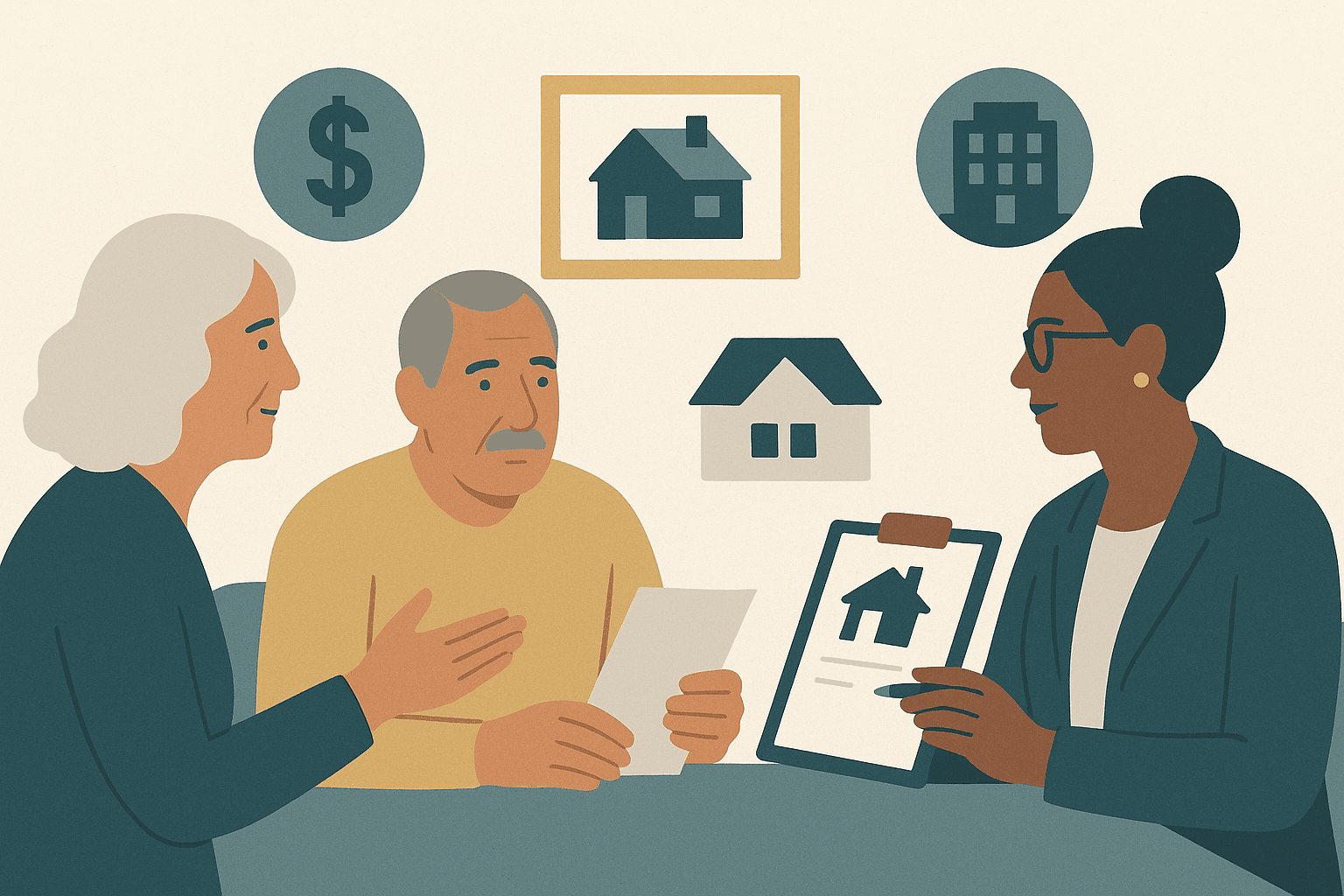
Start by determining the type and level of care needed, then explore funding sources. It's also wise to consult with a financial advisor familiar with elder care planning. Here's a step-by-step approach:
- Assess Care Needs: Consult with healthcare providers to understand the specific in-home care requirements.
- Research Costs: Contact local agencies and independent providers for quotes based on identified needs.
- Explore Payment Options: Investigate eligibility for Medicare, Medicaid, and benefits from long-term care insurance.
- Develop a Budget: Based on gathered information, create a realistic budget for in-home care expenses.
- Plan for Adjustments: Anticipate changes in care needs and associated costs, adjusting the plan as necessary.
A Historical Note on In-Home Care
The concept of in-home care is not new but has evolved significantly over the years. Initially, family members traditionally provided in-home care. With demographic changes and increased life expectancy, professional in-home care services have grown to fill the need, becoming a vital part of modern healthcare.
Surprising Insight
Did you know that the use of telehealth and remote monitoring technologies can potentially reduce in-home care costs? By allowing healthcare providers to monitor patients remotely, these technologies can decrease the need for frequent in-person visits, offering a blend of convenience and cost-efficiency.
Conclusion
Planning for in-home care requires a thoughtful approach, considering the type of care needed, the costs involved, and how to finance these expenses. By understanding the options and strategies available, seniors and their families can make informed decisions that ensure quality care without undue financial strain. Remember, the goal is to balance care needs with financial realities, finding a solution that offers peace of mind and security.
In the world of in-home care, preparation is the bridge between the care you want and the care you can afford. Much like a well-maintained garden, the right approach can yield a season of comfort and security in one's later years, without exhausting the resources needed to sustain it.