Understanding the Cost of Memory Care
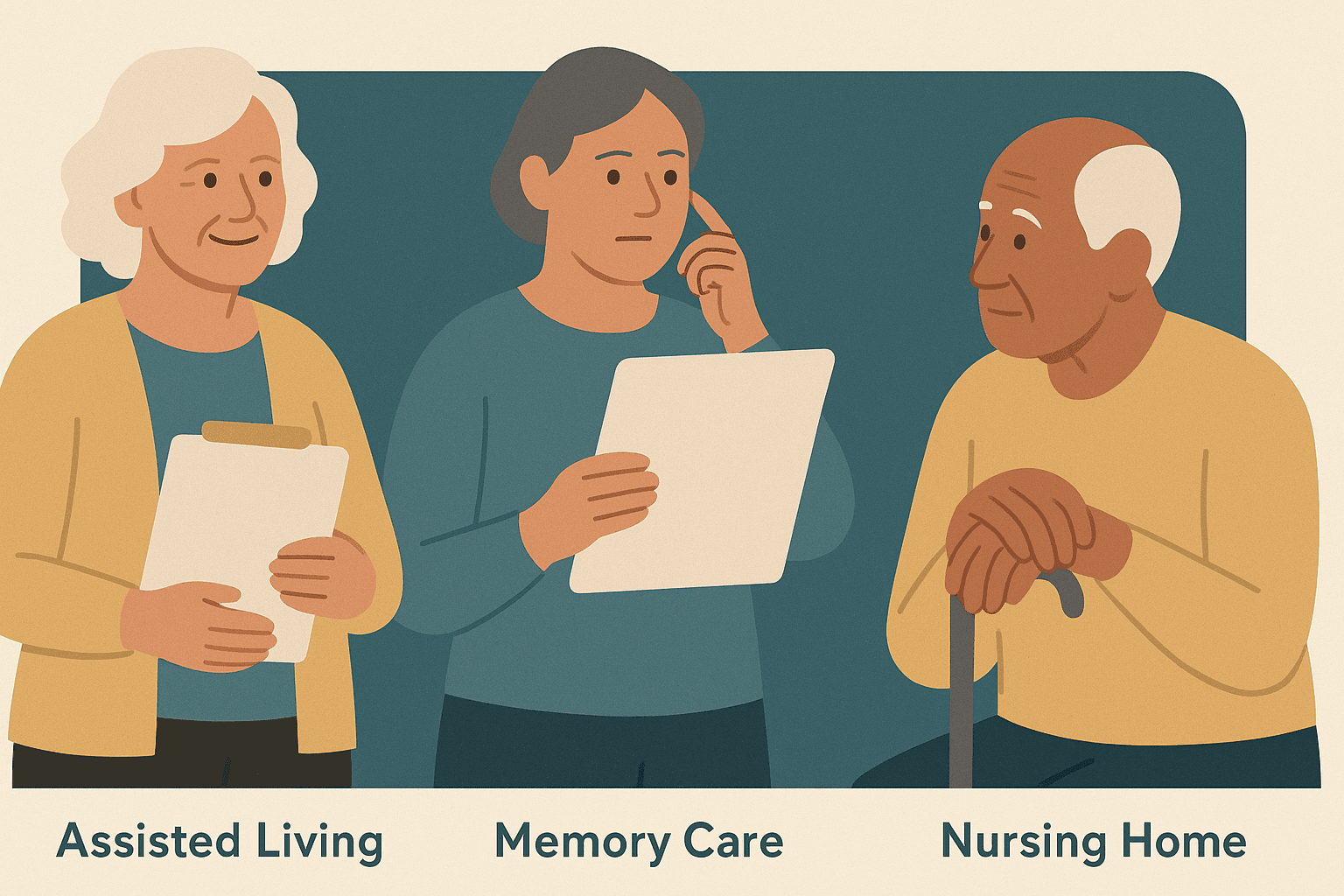
When families begin the journey of finding memory care for a loved one, one of the most pressing questions is often related to cost. Memory care facilities are specialized living environments designed for people with Alzheimer's disease, dementia, or other memory impairments. These facilities provide around-the-clock care and support, including medical monitoring, assistance with daily living activities, and therapies designed to enhance quality of life. On average, the cost of memory care in the United States ranges from $3,000 to $7,000 per month, but this can vary greatly depending on location, amenities, and the level of care required.
Key Factors Influencing Memory Care Costs
Understanding what goes into the cost can help families budget effectively and make informed choices. Here are some key factors:
Location and Market Demand
- Urban vs. Rural: Facilities in urban areas typically cost more due to higher real estate and operational costs.
- State-by-State Variation: Costs can vary significantly from one state to another, influenced by local market demand and cost of living.
Type of Facility and Amenities
- Exclusive vs. Integrated Care: Some facilities are dedicated solely to memory care, while others offer memory care as part of a broader range of services. Exclusive memory care facilities might charge more due to specialized services.
- Amenities: Facilities offering extensive amenities such as private rooms, gourmet meals, and extensive recreational activities may have higher costs.
Level of Care Needed
- Assessment of Needs: The level of care a resident requires can significantly impact costs. Those needing more intensive, one-on-one care may see higher fees.
Staffing Ratios and Training
- Specialized Staff: Facilities with higher staffing ratios and staff specialized in memory care and dementia training may have higher costs.
Breaking Down the Monthly Costs
To give you a more detailed understanding, here's what the monthly cost typically covers:
- Housing: Room and board, utilities, and maintenance.
- 24/7 Care: Assistance with daily living activities, medication management, and emergency care.
- Specialized Programs: Therapeutic activities designed to support cognitive function and emotional well-being.
- Meals: Typically, three meals a day plus snacks.
- Security: Enhanced security features to prevent wandering and ensure resident safety.
How to Budget for Memory Care
Budgeting for memory care requires a comprehensive approach. Here are steps to guide you:
- Assess Financial Resources: Look into savings, retirement funds, life insurance policies, and potential benefits like Veterans' benefits.
- Explore Insurance Options: While Medicare does not cover long-term memory care, some aspects of care may be covered under certain conditions. Long-term care insurance policies may also provide coverage.
- Consider Location Flexibility: If possible, consider locations where the cost of living is lower. Sometimes, the difference in cost can outweigh the inconvenience of distance.
- Plan for Future Needs: Anticipate potential increases in care needs and associated costs over time.
Financial Assistance and Resources
For families facing financial constraints, there are resources that can help:
- Medicaid: Eligibility and coverage vary by state, but Medicaid can cover some costs of memory care for those who qualify.
- Veterans' Benefits: The VA offers benefits that can help cover the cost of memory care for veterans and their spouses.
- Non-Profit Organizations: Some organizations offer financial assistance or reduced-cost services for qualified individuals.
Surprising Insight and Historical Context
Did you know that the concept of specialized memory care facilities is relatively new? Prior to the 1980s, most individuals with significant memory impairments were cared for either at home by family members or in general nursing homes without specialized care. The development of dedicated memory care facilities has provided a much-needed option for families, combining specialized care with an understanding of the unique needs of individuals with memory impairments.
Making an Informed Decision
Choosing a memory care facility is a significant decision. Beyond cost, consider the quality of care, the facility's philosophy and approach to memory care, staff training and turnover rates, and feedback from current residents and their families. Visiting multiple facilities, asking questions, and observing can provide valuable insights to help you make the best choice for your loved one.
In essence, the journey to find the right memory care facility is not just about understanding the costs but also about finding a place where your loved one will receive compassionate, specialized care that enhances their quality of life. This decision intertwines financial planning with the emotional and physical needs of your loved one, aiming for a balance that ensures safety, comfort, and peace of mind.
Authoritative sources