Understanding Medicare Coverage for Assisted Living
Medicare's coverage of assisted living expenses is a topic of significant importance and interest to seniors exploring their long-term care options. It's crucial to understand that Medicare does not cover the cost of living in an assisted living facility. However, it does provide coverage for certain medical costs incurred while living there. This article aims to demystify the specifics of what Medicare covers, offer actionable advice, and provide valuable insights for those considering assisted living.
What Does Medicare Cover?
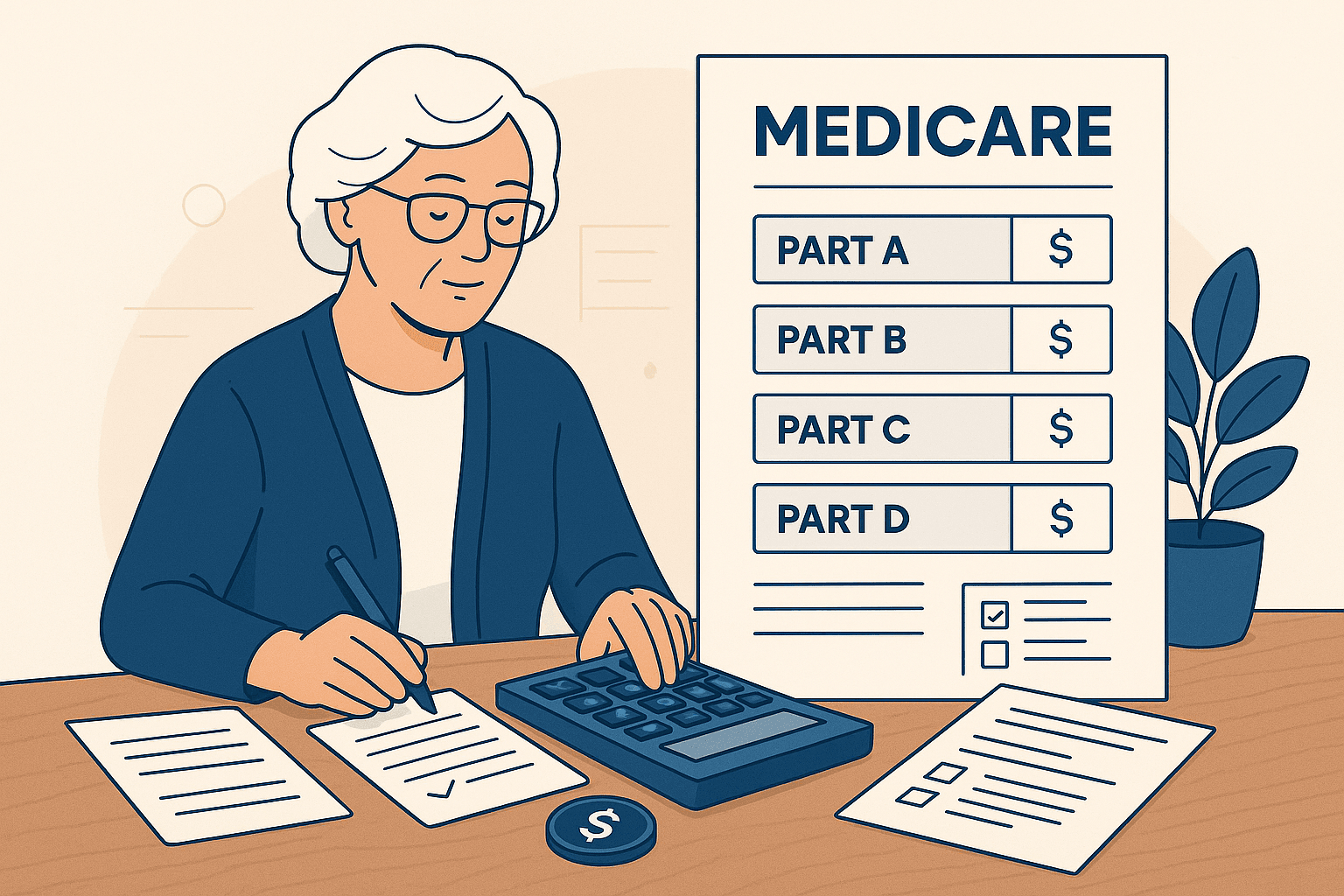
- Medicare Part A covers hospital stays, skilled nursing facility care, hospice care, and some home health care services.
- Medicare Part B covers doctor's services, outpatient care, medical supplies, and preventive services.
- Medicare Part C (Medicare Advantage) may offer additional benefits that Original Medicare doesn't cover, but specifics vary by plan.
- Medicare Part D covers prescription drugs.
Specifics of Coverage in Assisted Living
While Medicare does not pay for room and board in an assisted living facility, it does cover medical expenses one might incur, just as it would if the beneficiary were living independently or in another setting. This includes, but is not limited to:
- Emergency and urgent care
- Ambulatory services
- Some physical, occupational, and speech therapy services
- Certain medical supplies and durable medical equipment
- Limited home health care services
Navigating Medicare Advantage for Assisted Living
Medicare Advantage plans, also known as Part C, are offered by private companies approved by Medicare. Some plans may offer benefits that are more closely aligned with the needs of those in assisted living, such as:
- Dental, vision, and hearing coverage
- Over-the-counter medications
- Transportation to doctor's appointments
- Fitness memberships
Choosing the Right Plan
When considering a Medicare Advantage plan, it's critical to:
- Compare plans available in your area.
- Assess each plan's coverage for services you anticipate needing.
- Consider the network of providers to ensure they're accessible from your assisted living facility.
- Review the plan's costs, including premiums, deductibles, and out-of-pocket maximums.
Supplemental Coverage Options
For expenses not covered by Medicare, seniors might consider supplemental options such as:
- Medigap: Private insurance that can help pay some of the healthcare costs that Medicare doesn't cover.
- Long-Term Care Insurance: Specifically designed to cover long-term services and supports, including in assisted living settings.
- Veterans Benefits: If eligible, veterans may receive benefits that help cover the cost of assisted living through the VA Aid and Attendance benefit.
Financial Assistance and Resources
- Medicaid: For those who qualify, Medicaid may cover some costs of assisted living. Eligibility and benefits vary by state.
- State Assistance Programs: Many states offer programs that help with assisted living costs for qualifying individuals.
- Community and Nonprofit Resources: Local community organizations and nonprofits may provide financial assistance or services to help seniors in assisted living.
Data Points and Statistics
- According to the National Center for Assisted Living, the average monthly cost for assisted living in the United States is approximately $4,300.
- A study by the Kaiser Family Foundation found that only about 12% of Americans over the age of 65 have some form of long-term care insurance.
- The American Council on Aging reports that Medicaid is the primary source of payment for 61% of all nursing home residents.
Making Informed Decisions
Choosing to move into an assisted living facility is a significant decision that involves careful financial planning and consideration of healthcare needs. Understanding the extent of Medicare coverage and exploring all available resources are crucial steps in this process.
Actionable Steps
- Review Your Medicare Coverage: Carefully examine what your current Medicare plan covers and consider if switching to a Medicare Advantage plan might be beneficial.
- Explore Supplemental Insurance: Investigate whether purchasing a Medigap policy or long-term care insurance makes sense for your situation.
- Research Financial Assistance Programs: Look into Medicaid, state, and local programs that could help offset the costs of assisted living.
- Consult with a Financial Planner or Elder Care Attorney: Professional advice can be invaluable in navigating the complexities of healthcare financing in retirement.
Snackable Depth
- Did you know? The concept of "assisted living" as it's known today began to take shape in the 1980s as an alternative to more institutional settings like nursing homes.
- Micro-fact: Medicare was signed into law in 1965, fundamentally changing the landscape of senior healthcare in America.
- Surprising insight: Many people mistakenly believe Medicare will cover all their healthcare needs in retirement, not realizing its limitations until they face them firsthand.
- Analogy: Think of Medicare as a safety net that catches many healthcare needs but has holes that other forms of insurance or savings need to fill.
In conclusion, while Medicare provides a foundation for healthcare coverage in retirement, it does not cover the costs associated with living in an assisted living facility. Understanding the nuances of your coverage, considering additional insurance options, and exploring financial assistance programs are essential steps for seniors planning for their long-term care.