Nursing Home vs. Assisted Living: Understanding the Key Differences
When it comes to ensuring your loved ones receive the care they need in their later years, understanding the difference between a nursing home and assisted living is crucial. Both offer unique benefits, but they cater to different levels of care needs.
Table of Contents
Understanding the Basics
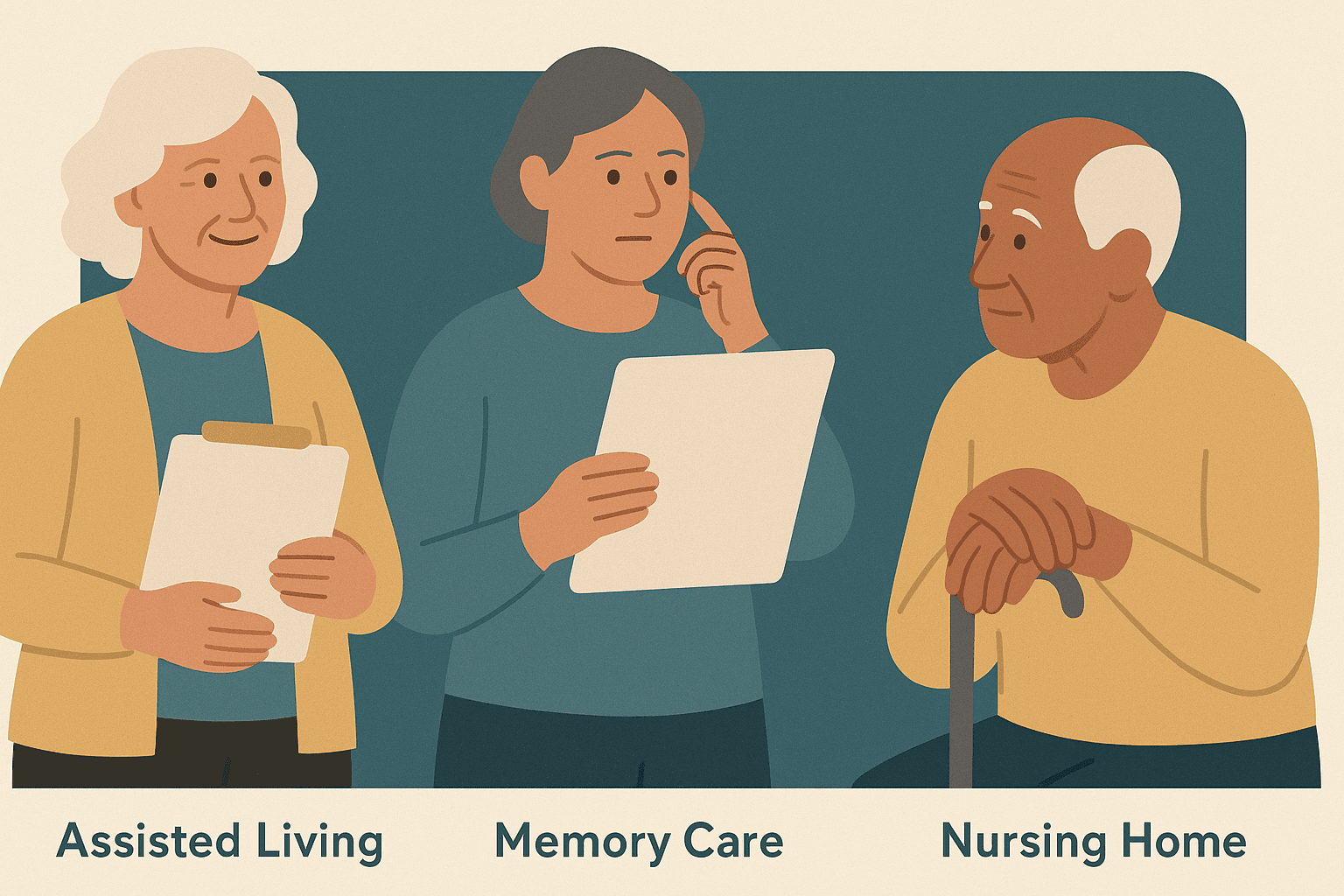
At their core, nursing homes and assisted living facilities serve two distinct purposes. Nursing homes are designed for individuals who require 24-hour medical supervision and assistance with everyday activities due to physical or mental conditions that prevent them from living independently. Assisted living, on the other hand, is tailored for seniors who need some help with daily tasks but do not require constant medical care.
Level of Care Provided
Nursing Home Care
Nursing homes, also known as skilled nursing facilities, provide a high level of medical care. Services include:
- 24-hour supervision and assistance
- Medical monitoring and treatments
- Rehabilitation services such as physical, occupational, and speech therapy
A key data point to note is that as of 2023, approximately 1.3 million Americans reside in nursing homes, highlighting their importance in the healthcare continuum for older adults.
Assisted Living Facilities
Assisted living facilities focus on supporting residents with daily living activities while promoting independence. Services often include:
- Help with bathing, dressing, and medication management
- Housekeeping and laundry services
- Social and recreational activities
Interestingly, the average age of residents in assisted living facilities is 87 years old, and about 74% of these residents are female.
Cost Comparison
The cost of both nursing home and assisted living facilities can vary widely depending on location, amenities, and the level of care required. However, according to a 2022 survey:
- The national median monthly cost for a private room in a nursing home was approximately $8,821.
- Assisted living facilities had a median monthly cost of around $4,300.
These numbers are critical for families budgeting for elder care, illustrating the significant cost difference between the two types of care.
Lifestyle and Amenities
Nursing Home
Nursing homes are often more medically focused, but they also offer:
- Structured schedules
- Rehabilitation programs
- Limited personal space
Assisted Living Facilities
Assisted living promotes a more independent lifestyle, with features like:
- Private or semi-private apartments
- Community dining and social events
- Varied recreational activities
Making the Decision
Choosing between a nursing home and assisted living involves considering the care needs, personal preferences, and financial situation of your loved one. Here are some actionable steps to guide the decision-making process:
- Assess the level of care needed. Consult with healthcare providers to understand the medical and daily living needs.
- Visit potential facilities. Experience the environment and speak with staff and residents.
- Understand the costs. Request detailed information on all fees and services included.
- Consider long-term needs. Think about potential changes in care requirements over time.
Conclusion
Deciding between a nursing home and assisted living for a loved one is a significant decision that depends on a variety of factors including care needs, lifestyle preferences, and budget. By understanding the key differences and considering the specific needs of your loved one, you can make an informed choice that ensures their well-being and happiness in their later years.
Remember, it's not just about the care received, but also about the quality of life and maintaining as much independence as possible. Whether it's the more intensive medical care of a nursing home or the supportive independence of assisted living, the right choice can provide peace of mind for families and a fulfilling life for seniors.