3. Home and Community-Based Services
Most veterans prefer to age at home, and the VA funds several programs that make that possible:
- Home-Based Primary Care for veterans with complex conditions.
- Homemaker and Home Health Aide services for help with daily activities.
- Veteran-Directed Care, which gives the veteran a flexible budget to hire caregivers — sometimes including family members.
- Respite Care to give family caregivers a break.
- Adult Day Health Care for structured daytime support.
4. The Aid and Attendance benefit — the big one
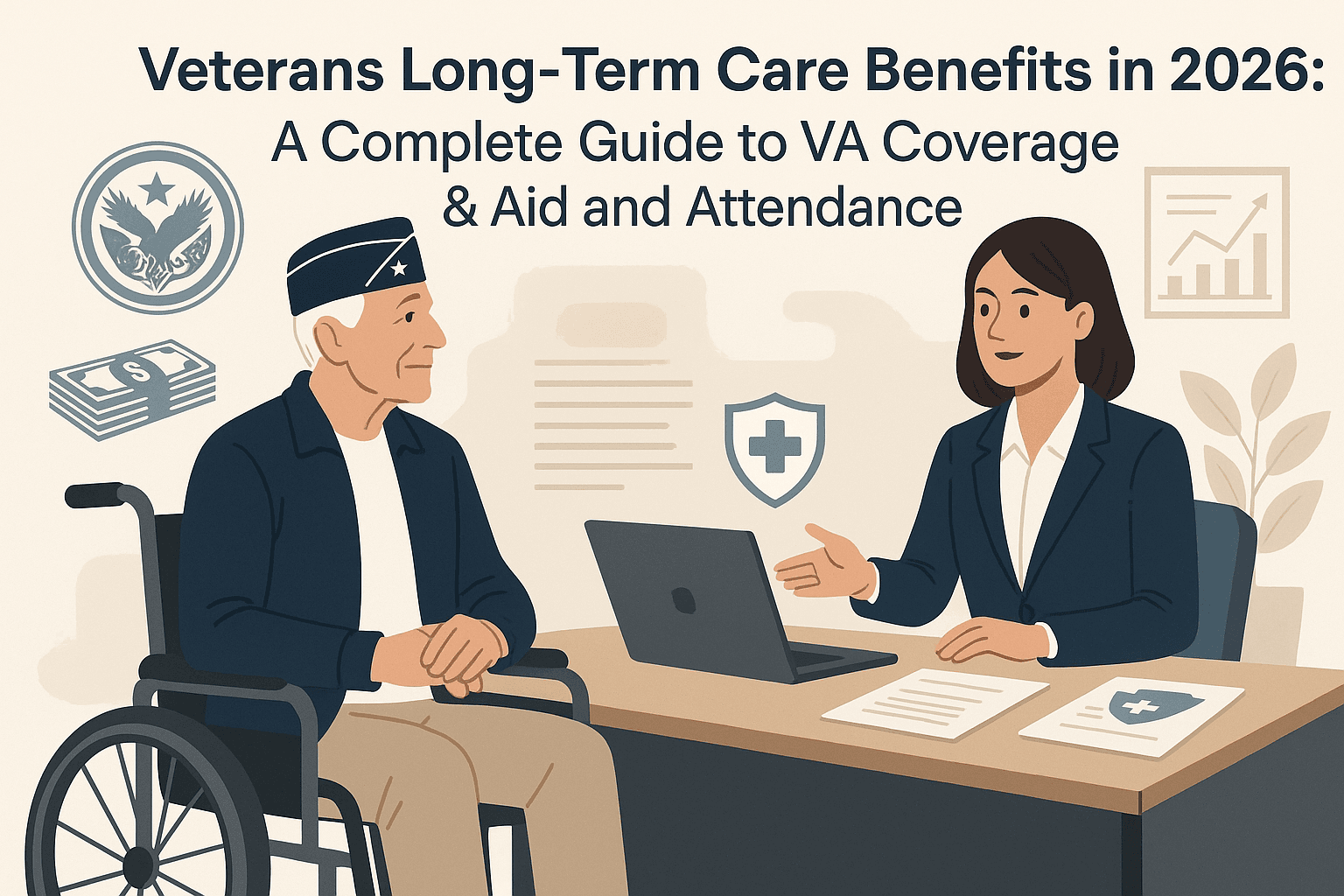
Aid and Attendance (A&A) is an increased monthly pension for veterans and surviving spouses who need help with activities of daily living (bathing, dressing, eating, managing medications), are bedridden, or are in a nursing home. It is paid on top of the basic VA pension and can be used for any care setting — home, assisted living, or nursing home.
To qualify for A&A, you generally must meet all of the following:
- Wartime service: at least 90 days of active duty with at least one day during a wartime period (as defined by the VA).
- Discharge: other than dishonorable.
- Care need: a documented medical need for aid and attendance.
- Income and asset limits: the VA applies a net-worth limit (adjusted annually) that combines assets and income, with a 3-year lookback on asset transfers.
Because A&A can add well over $2,000 a month for a married veteran, it frequently makes the difference between affording assisted living and not.
5. Housebound benefits
If you are substantially confined to your home due to a permanent disability but don''t need the level of care A&A requires, the Housebound benefit offers a smaller monthly increase to your pension. You cannot receive Housebound and Aid and Attendance at the same time — you claim the one that fits your situation.
How to apply
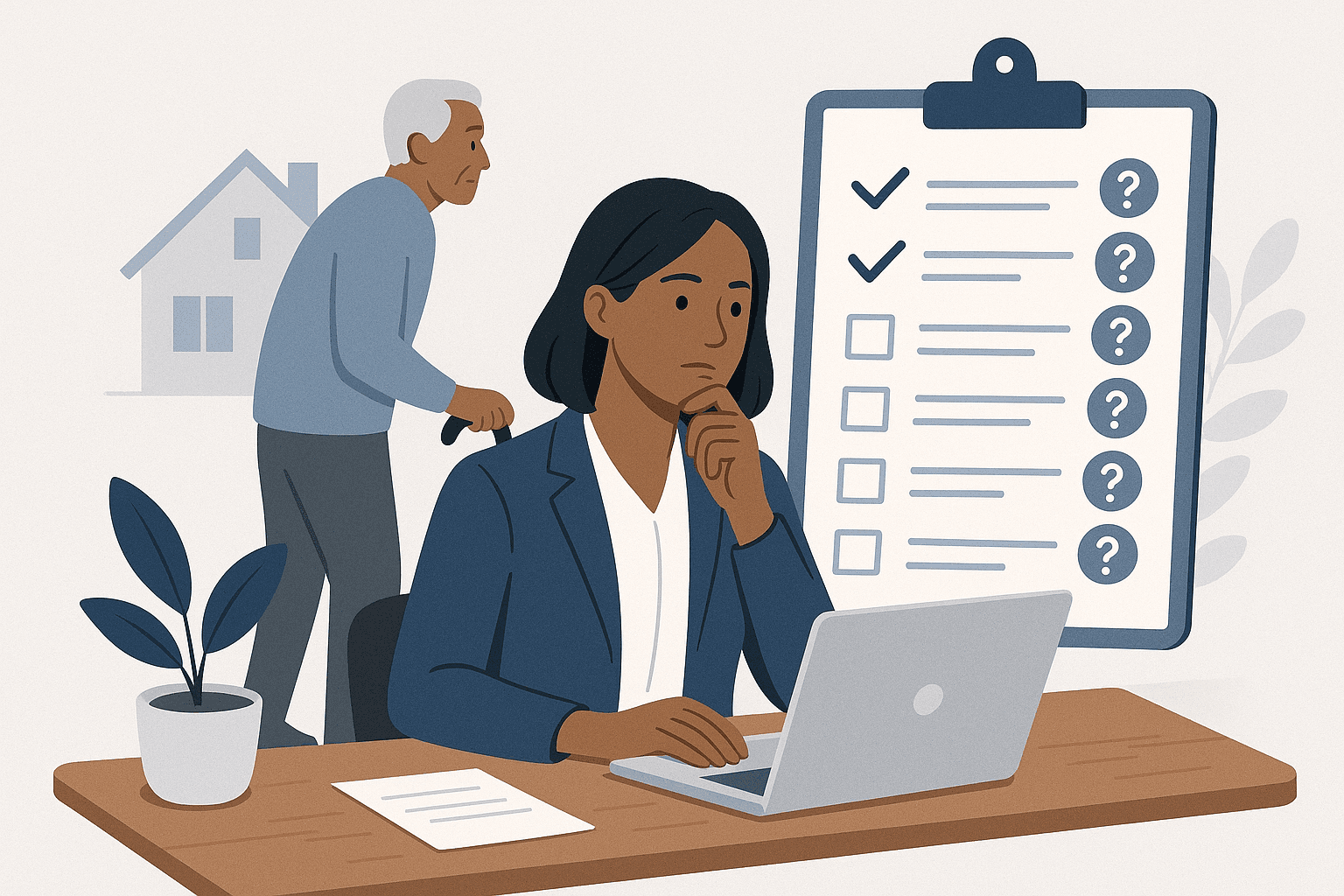
- Gather documentation: discharge papers (DD-214), medical evidence of your care need, and financial records.
- Complete the right form: VA Form 21-2680 (examination for A&A/Housebound) accompanies the pension application.
- Get accredited help — for free. VA-accredited attorneys, claims agents, and Veterans Service Organizations (VSOs) like the VFW, DAV, and American Legion assist at no cost. Be wary of anyone charging large upfront fees to "qualify" you.
- Submit and follow up. Processing can take months; keep copies of everything.
A key warning on "pension poison"
Some advisors push veterans to move assets into trusts or annuities to qualify for A&A. The VA''s 3-year lookback penalizes many such transfers, and the wrong product can lock up money you need. Never restructure your finances to qualify without independent, fiduciary advice — the strategy that wins the benefit can cost you more than the benefit is worth.
The bottom line
Veterans and surviving spouses have real, valuable long-term care options in 2026 — from VA nursing homes and home-based services to the Aid and Attendance pension that can add thousands of dollars a month. The benefits are underclaimed largely because families don''t know they exist. Start at VA.gov, work with a free accredited VSO, document your care need thoroughly, and be cautious of anyone selling asset moves to qualify. The support is there; the hardest part is simply applying for it.