Test Category

Complete Guide to Hospice Care: End-of-Life Support and Comfort

Hospice Care Guide: Navigating End-of-Life Decisions with Compassion and Understanding Navigating the journey towards the end of life is a profound and delicate process, not just for the individual b...

Published December 12, 2025Updated September 7, 2026

What Does Care Actually Cost Where You Live?

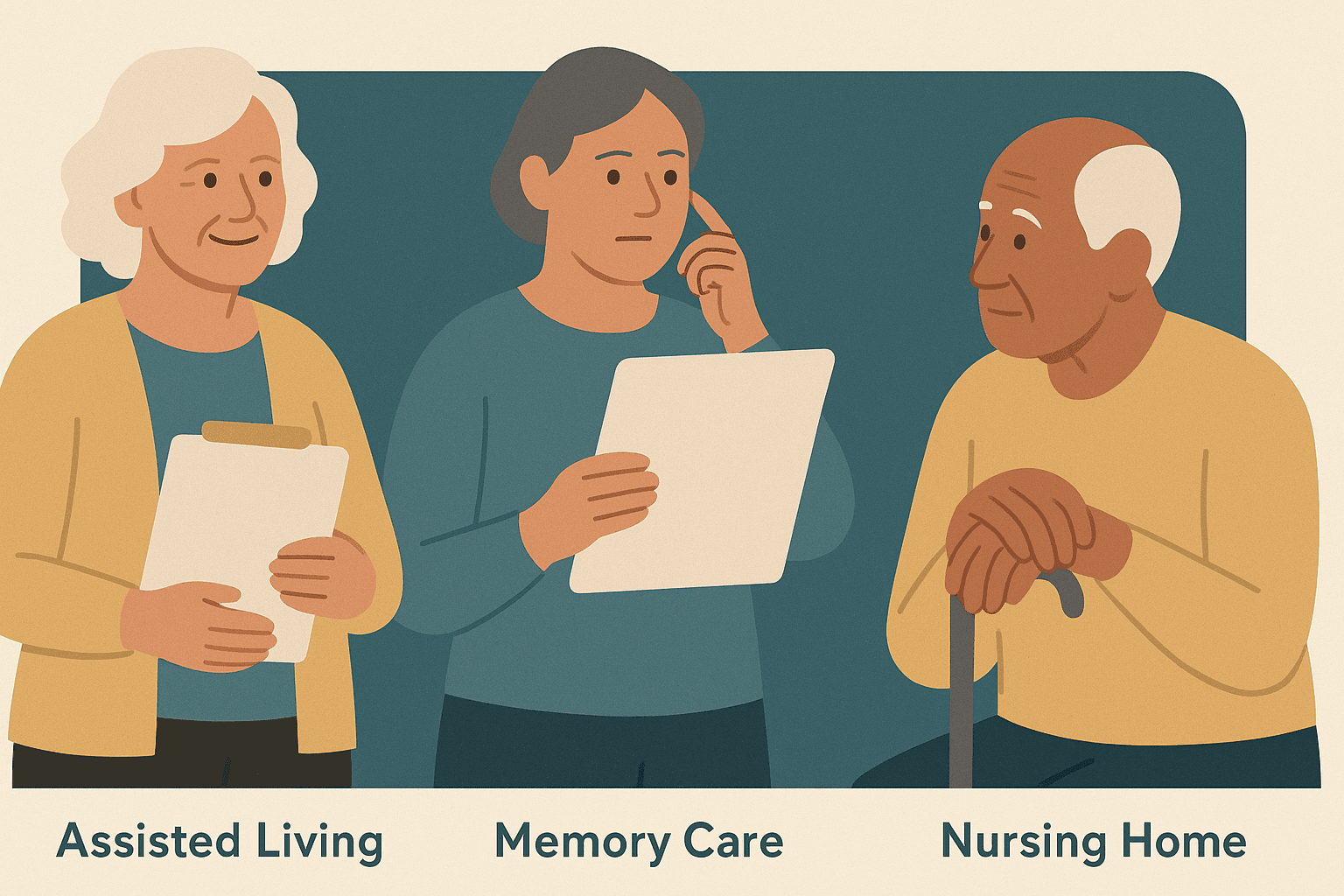
Assisted living, in-home care, memory care and nursing homes — current costs by state, plus the four ways families pay for it.

Send Me the Cost of Care Guide

No agent, no sales call.

Hospice Care Guide: Navigating End-of-Life Decisions with Compassion and Understanding

Navigating the journey towards the end of life is a profound and delicate process, not just for the individual but for their loved ones as well. Hospice care emerges as a beacon of support and compassion, aimed at providing comfort and dignity to those in their final chapters. This guide delves into what hospice care entails, its principles, when to consider it, and how to make informed decisions that resonate with the needs and wishes of everyone involved.

What is Hospice Care?

Hospice care is a form of palliative care designed to provide comfort and support to individuals in the terminal phases of a life-limiting illness. Its philosophy is rooted in the belief that everyone deserves to spend their final days with dignity, surrounded by love, free from pain, and in an environment of their choice.

  • Core Components of Hospice Care:
    • Pain and symptom management
    • Emotional and spiritual support
    • Assistance with decision-making and daily activities
    • Support for families and caregivers

The Hospice Care Team: A Multidisciplinary Approach

Hospice care employs a team approach, bringing together professionals from various disciplines to address the holistic needs of the patient and their family.

  • Team Members Include:
    • Physicians
    • Nurses
    • Social workers
    • Spiritual advisors
    • Hospice aides
    • Volunteers

When to Consider Hospice Care

Hospice care is typically considered when a patient's condition is deemed terminal, with a life expectancy of six months or less if the illness runs its normal course. Key indicators include:

  • Frequent hospitalizations
  • Progressive weight loss
  • Declining ability to complete daily tasks
  • Growing reliance on assistance for personal care

Making the Decision

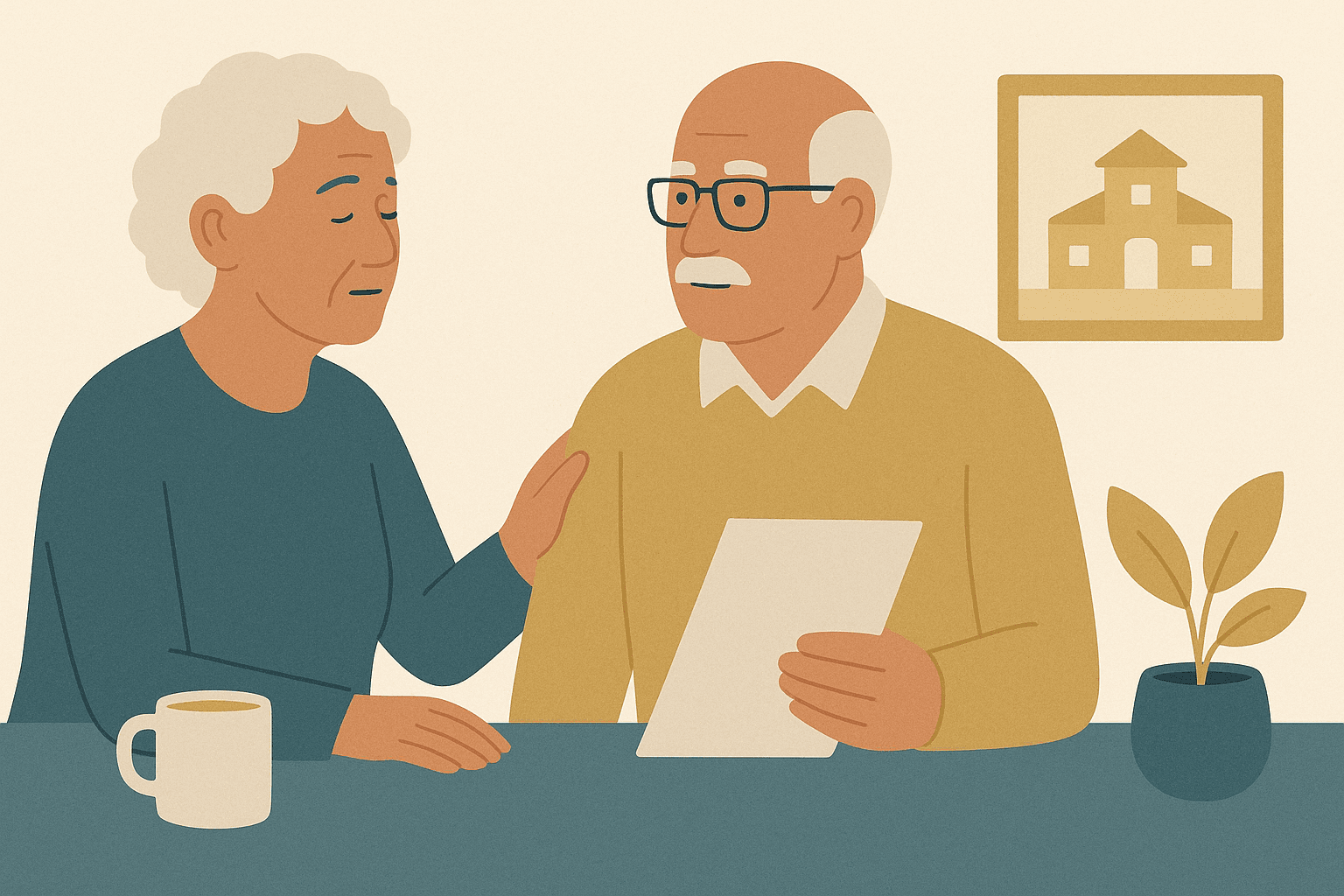
Choosing hospice care is a deeply personal decision that involves thoughtful conversations with healthcare providers, family members, and the patient themselves. It's about quality of life, aligning care with the patient’s values and wishes.

Navigating the Hospice Care Process

1. Understanding Eligibility and Coverage

Most insurance plans, including Medicare and Medicaid, cover hospice care. Coverage typically includes all services, medications, and supplies related to the terminal diagnosis.

2. Selecting a Hospice Provider

When choosing a hospice provider, consider:

  • Accreditation and certification
  • Availability of services in your area
  • The provider’s philosophy and practices
  • Support available to family and caregivers

3. Developing a Care Plan

A personalized care plan is crafted by the hospice team, in collaboration with the patient and their family, focusing on comfort, quality of life, and respecting the patient’s wishes.

Take the cost numbers with you

The free Cost of Long-Term Care guide prices out assisted living, memory care, in-home care and nursing homes by state — plus the four ways families pay for it. Educational only, nobody will call you.

No obligation, ever. Unsubscribe anytime.

The Role of the Family in Hospice Care

Families play a crucial role in hospice care, participating in decision-making, providing daily care, and working closely with the hospice team. Support for caregivers is a pivotal part of hospice services, including respite care and counseling.

The Impact of Hospice Care: By the Numbers

  • Improved Quality of Life: Studies show that patients receiving hospice care may have a better quality of life compared to those receiving standard care.
  • Caregiver Support: Over 90% of families report a positive hospice experience, highlighting the invaluable support and guidance provided.
  • Cost-Effectiveness: Hospice care is often more cost-effective than traditional care at the end of life, focusing on palliative rather than curative treatments.

Legal and Ethical Considerations

Hospice care is governed by specific laws and ethical guidelines, ensuring patient rights are respected, including the right to withdraw from hospice care at any time.

Historical Insight

The modern hospice movement began in the 1960s with the work of Dame Cicely Saunders in the United Kingdom, emphasizing pain management and holistic care. This compassionate approach reshaped end-of-life care worldwide.

Hospice Care: A Compassionate Conclusion

Hospice care is not about giving up; it's about choosing how to live one’s final days with dignity, comfort, and peace. It's a testament to the value of every moment and the profound impact of compassionate care at life’s end.

Finding Peace in the Journey

Choosing hospice care is a step towards embracing the remaining time with grace, ensuring that the focus remains on living fully, even in the face of life-limiting illness.

Conclusion: Embracing the Final Chapter with Dignity and Love

Hospice care offers a pathway to concluding life's journey with compassion, dignity, and respect. By understanding what hospice care entails, when to consider it, and how to navigate the process, families can make informed decisions that honor their loved one's wishes and values, ensuring their final days are spent surrounded by love and peace.

In this tender journey, hospice care stands as a gentle guide, illuminating the path with understanding, support, and profound respect for the sanctity of life’s final chapter.


This guide aims to provide actionable and valuable insights for families facing end-of-life decisions, focusing on the essence and importance of hospice care. By embracing educational storytelling and clear, expert explanations, we hope to offer a beacon of support and understanding for those navigating these profound choices.


What Does Care Actually Cost Where You Live?

Assisted living, in-home care, memory care and nursing homes — current costs by state, plus the four ways families pay for it.

Send Me the Cost of Care Guide

No agent, no sales call.

Part of a larger guide

Complete Guide to Independent Living for Seniors

Independent Living Guide for Active Seniors For active seniors seeking a maintenance-free lifestyle, independent living offers a blend of autonomy, community, and peace of mind. This comprehensive gu...

Read the full guide →

More in this series

8 Signs It's Time for Assisted Living (And 3 Signs It Isn't Yet) - Featured image

8 Signs It's Time for Assisted Living (And 3 Signs It Isn't Yet)

The clearest signs it is time for assisted living are a pattern, not a single bad day: falls, medication mistakes, weight loss, hygiene decline, an unmaintained home, unsafe driving, isolation, and caregiver burnout. This guide ranks all eight by urgency, gives the ADL threshold families actually use, and covers three situations that mean you still have time.

August 28, 2026Read More →

Assisted living, in-home care, memory care and nursing homes — current costs by state, plus the four ways families pay for it.

No obligation, ever. Unsubscribe anytime.