4. Dependency and Indemnity Compensation (DIC)
DIC is a tax-free monthly benefit for surviving spouses, children, or parents of a service member who died in service or from a service-connected condition. Unlike the income-based Survivors Pension, DIC is not means-tested. Surviving family members often don't realize they may qualify decades after service.
5. State Veterans Property Tax Exemptions
Most states offer property tax exemptions or reductions for veterans — often substantially larger for those with a service-connected disability rating, and sometimes full exemptions for higher ratings or surviving spouses. These are claimed at the county or state level, not through the VA, which is why so many homeowners overlook them. Contact your county assessor or state veterans affairs office.
6. VA Burial and Memorial Benefits
The VA provides burial benefits that many families don't claim, including a burial allowance, a free gravesite in a national cemetery, a government headstone or marker, a burial flag, and a Presidential Memorial Certificate. Some of these can even be applied for in advance through pre-need eligibility, easing the burden on family later.
7. VA Home Modification Grants
Veterans with certain service-connected disabilities may qualify for grants to adapt their home for safer, independent living — such as the Specially Adapted Housing (SAH) or Special Home Adaptation (SHA) grants, plus the Home Improvements and Structural Alterations (HISA) grant for medically necessary changes. These can fund ramps, widened doorways, walk-in showers, and more.
8. Free Help From a Veterans Service Officer (VSO)
This isn't a cash benefit, but it's the key that unlocks the others. Accredited VSOs — available free through organizations like the VFW, American Legion, DAV, and county veterans offices — help you identify benefits, gather documents, and file claims correctly. Because applications (especially for Aid and Attendance) can be complex, working with a VSO dramatically improves approval odds. Never pay someone to file a basic VA claim; accredited help is free.
How to Claim What You're Owed
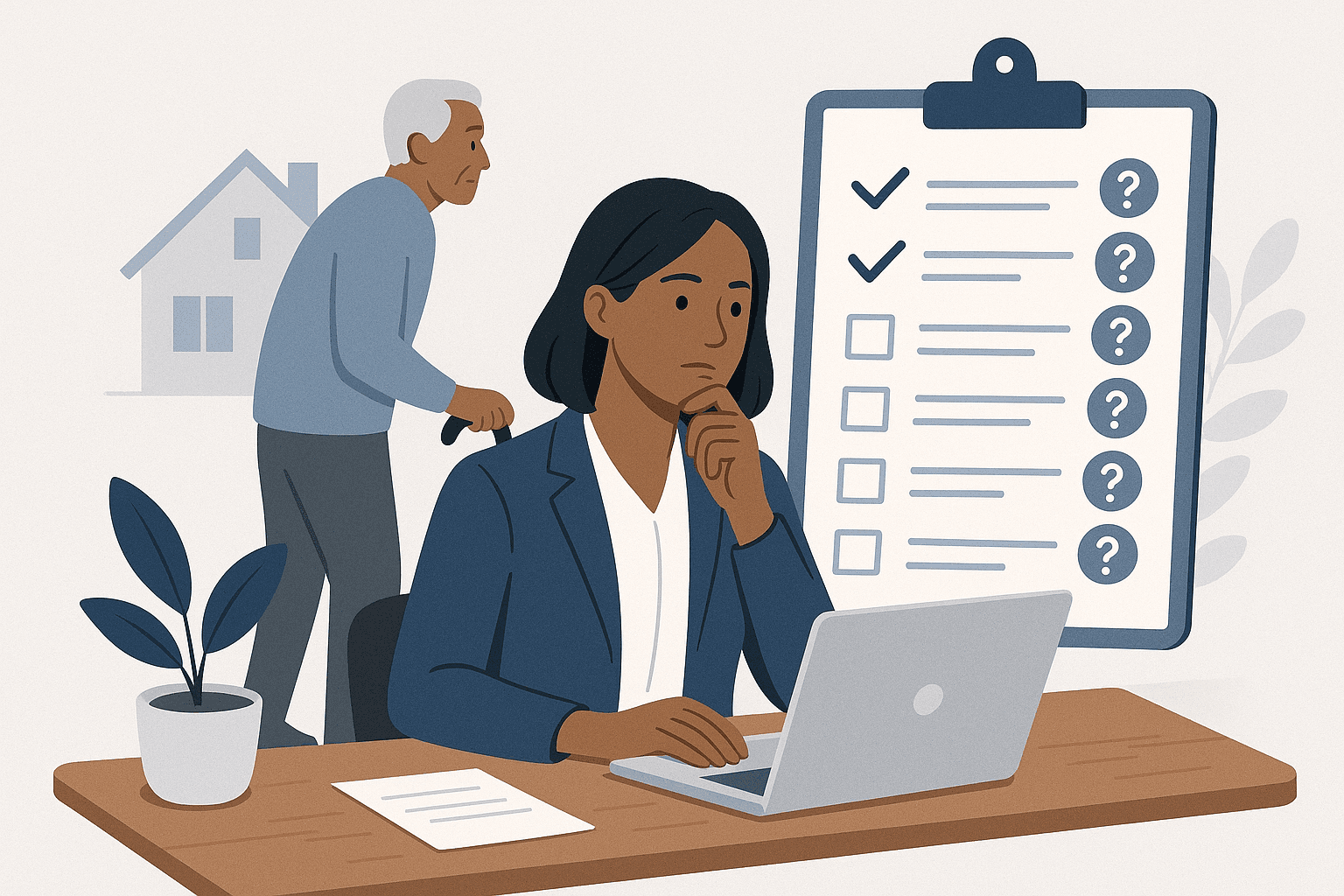
Start by gathering the veteran's discharge paperwork (DD-214), then make a free appointment with an accredited VSO. Bring income and asset information, medical records if applying for care-related benefits, and marriage or death certificates for survivor benefits. The VSO will tell you which of the benefits above you qualify for and help you file. Most of these benefits are not automatic — you have to apply.
The Bottom Line
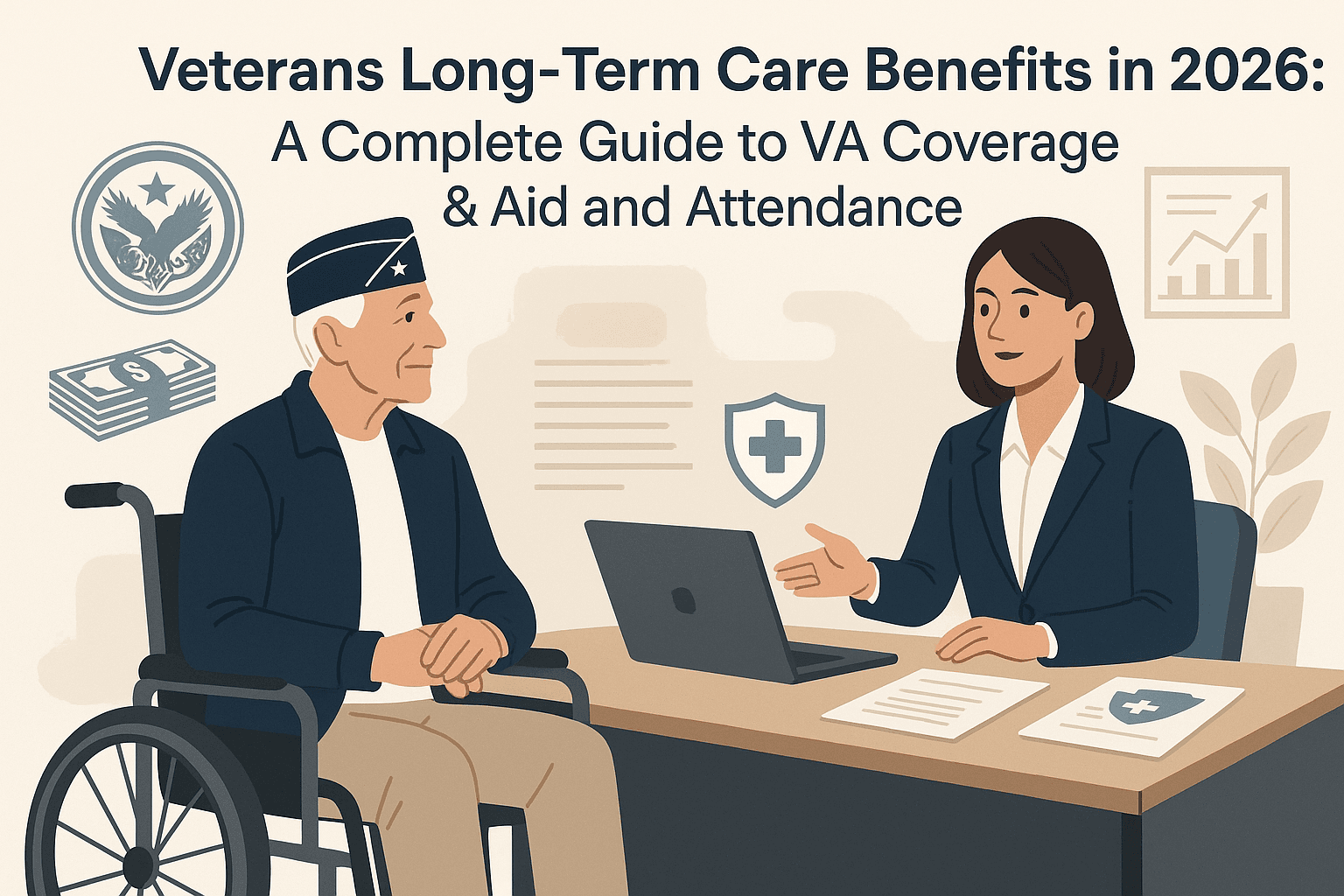
Billions in veterans benefits go unclaimed every year because eligible seniors and surviving spouses simply don't know they qualify. Aid and Attendance, Survivors Pension, CHAMPVA, DIC, property tax exemptions, burial benefits, and home modification grants are the ones most often missed. The smartest first step costs nothing: contact an accredited Veterans Service Officer and confirm current eligibility at VA.gov.
This article is for general educational purposes and is not legal, financial, or benefits advice. Benefit amounts and eligibility rules change and vary by situation; verify current details at VA.gov or with an accredited Veterans Service Officer.