3. The Most Expensive States
- Hawaii — the highest in the nation, with assisted living medians reported between roughly $11,300 and $12,100 a month
- Washington, D.C. — reported between roughly $9,600 and $11,300 a month
- Massachusetts — around $9,600 a month
- Alaska — among the most expensive in the country, driven by a very limited supply of communities
- Also high: New Jersey, Connecticut, New Hampshire, and coastal California markets
4. Costs Vary Inside a State, Too
State medians hide large local differences. Assisted living in a metropolitan area often runs 20% to 40% above the same state''s rural markets. In practice, a family in Illinois may find very different pricing in the Chicago suburbs than downstate, and the same is true in New York, Texas, and Florida.
If you are willing to look 30 to 60 minutes outside a major metro, the savings are frequently larger than anything you will negotiate on a single community''s rate.
5. What Drives the Differences
Real estate. Communities are large buildings on valuable land. Housing costs pass straight through to your monthly rate.
Caregiver wages. Staffing is the largest operating cost, and local wage levels move it.
State regulations. Licensing categories, staffing ratios, and what a community is permitted to provide differ by state and change what is included in base rent.
Supply. States with few communities and strong demand — Alaska and Hawaii most sharply — have little pricing pressure.
6. The Costs the Brochure Does Not Show
Base rent is rarely the whole bill. Ask specifically about:
- Care level fees. Most assisted living communities price a base rent, then add tiers based on how much help is needed. Tiers can add several hundred to more than a thousand dollars a month.
- Community or entrance fees. A one-time charge, often one to two months of rent.
- Medication management. Frequently billed separately.
- Annual increases. Ask what rates have risen each of the last three years, not what they are projected to rise.
- Second occupant fees. For couples sharing an apartment.
7. How Families Actually Pay for It
Private funds. Savings, pensions, Social Security, and income from selling a home cover the majority of assisted living nationally.
Long-term care insurance. If a policy exists, read the elimination period and daily benefit cap before assuming coverage.
Medicaid. Every state has some pathway that helps with assisted living costs, most often through Home and Community Based Services waivers, though waivers typically cover services rather than room and board and many states maintain waiting lists. Nursing home care is covered more broadly for those who qualify financially.
Veterans benefits. The VA Aid and Attendance benefit can add a meaningful monthly amount for eligible wartime veterans and surviving spouses. It is widely under-claimed.
Medicare. Worth stating plainly: Medicare does not pay for long-term custodial care in assisted living. It covers limited skilled nursing stays after a qualifying hospital admission.
Questions Worth Asking on a Tour
- What is the base rate, and exactly what does it include?
- How is the care level assessed, and what does each tier cost?
- How much have rates increased in each of the past three years?
- Is there a community fee, and is any of it refundable?
- What happens if we run out of private funds — do you accept Medicaid residents?
- What is your caregiver-to-resident ratio during the day and overnight?
The Bottom Line
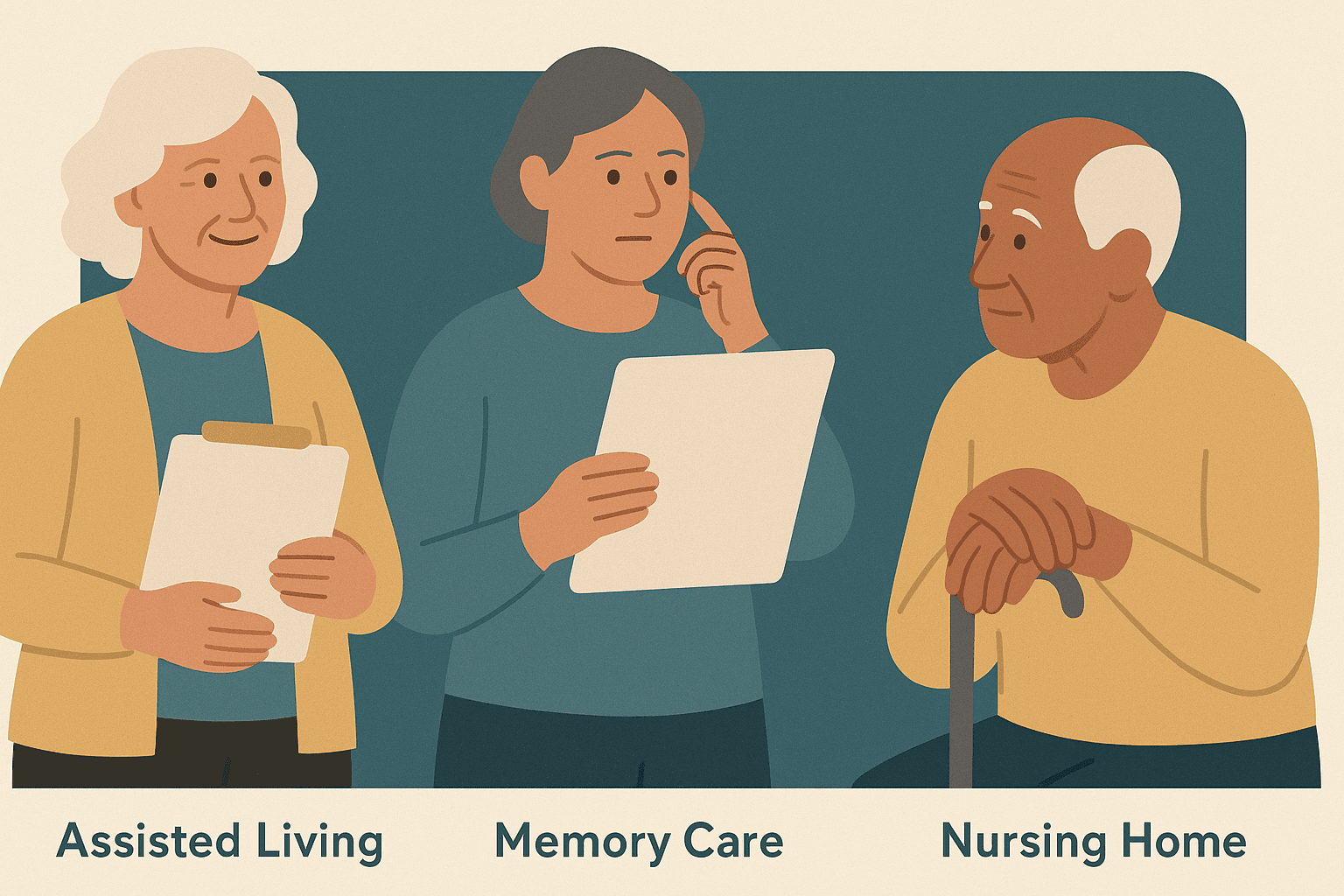
Assisted living nationally sits in the mid-$5,000s per month in 2026, memory care runs higher, and nursing care higher still. But the state you are in matters enormously: the same care can cost $4,000 in Missouri or South Dakota and more than $11,000 in Hawaii. Before you commit, compare at least three communities in your area, look just outside the nearest metro, and ask what the full monthly bill looks like at your parent''s actual care level — not the starting rate on the brochure.
This article is educational information. Costs vary by community and change over time. Confirm current pricing directly with any community you are considering.