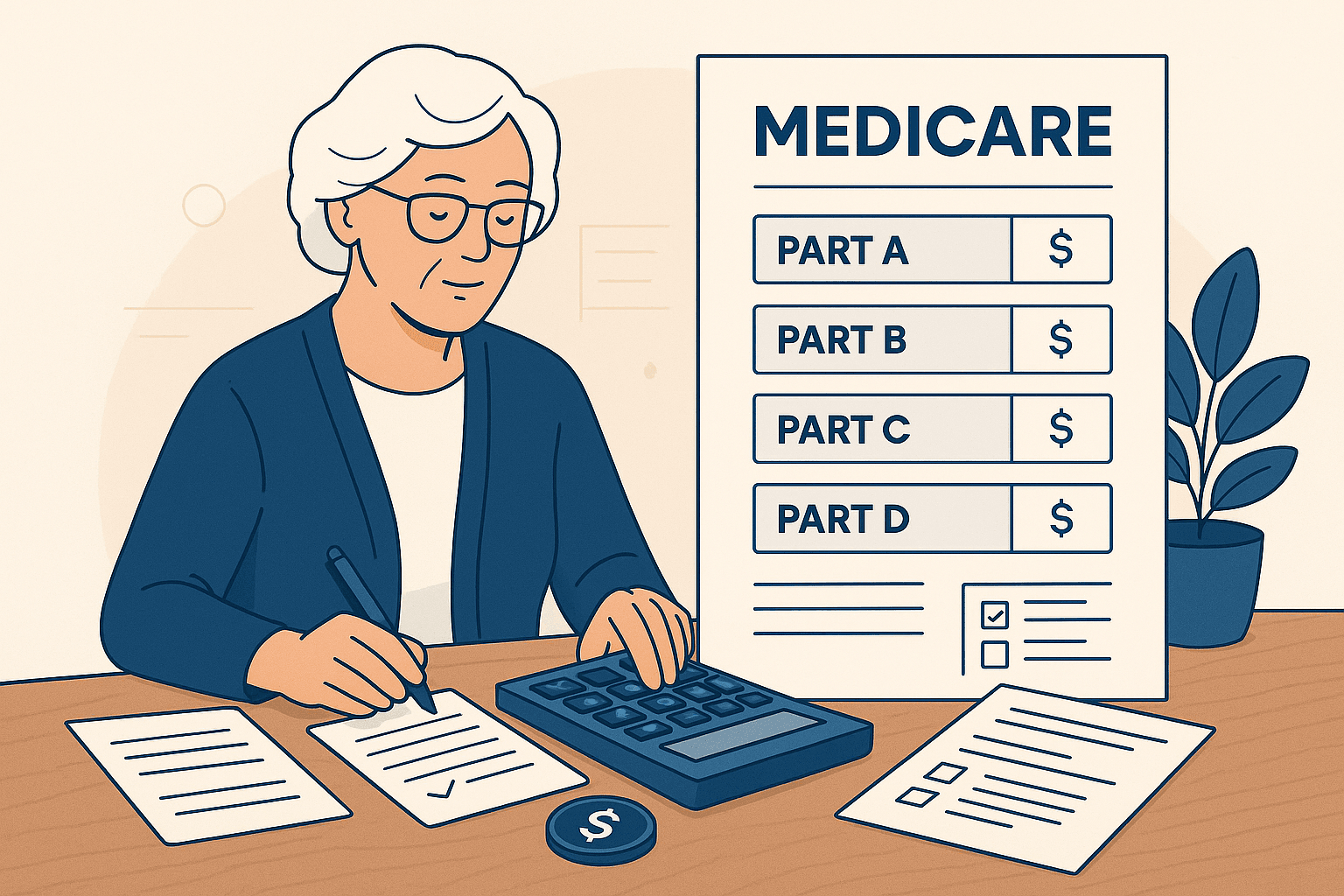
Medicare Advantage (Part C) bundles your Part A and Part B, usually adds Part D drug coverage, and often includes extras like dental, vision, and hearing. But rural coverage comes with a catch: fewer in-network providers and long drives to specialists. Choosing well is less about the longest benefits list and more about whether you can actually see a doctor without leaving your region. Here's how to compare for 2027.
Why rural Medicare Advantage is different
The same plan that's excellent in a city can be a poor fit in the country. Watch for:
- Thinner networks — rural counties have fewer in-network hospitals and specialists, so an HMO can leave you driving hours or paying out of network.
- PPO flexibility matters more — a PPO lets you see out-of-network providers (at higher cost), which is valuable when the nearest specialist is far away.
- Telehealth is a real benefit — strong virtual-care access can replace long drives for follow-ups and routine visits.
- Plan availability varies by county — not every plan is sold in every rural ZIP, and options can be limited.
- Original Medicare + Medigap is a serious alternative — because it's accepted by almost any provider nationwide, it can beat Advantage where networks are sparse.
How to choose a plan (do this first)
Before looking at any carrier, run these checks on Medicare's Plan Finder at Medicare.gov:
- Confirm your doctors and hospital are in-network — enter each provider and verify, don't assume.
- Enter your exact prescriptions — the Plan Finder shows total yearly drug cost, which matters more than the premium alone.
- Check the plan type — favor a PPO if you may need out-of-region care; an HMO can work if your local network is solid.
- Compare total cost, not just $0 premiums — weigh premium, deductibles, copays, and the maximum out-of-pocket.
- Look at the Star Rating — CMS rates plans 1 to 5 stars for quality and service; aim for 4 stars or higher.
Carriers rural seniors should compare for 2027
1. UnitedHealthcare / AARP — best for broad reach
One of the largest Medicare Advantage insurers, with wide availability and PPO options that extend access in rural areas. Its size often means more participating providers in counties where choices are limited.
2. Humana — best for rural footprint and drug coverage
Humana has a long-standing focus on rural and small-town markets and competitive Part D coverage built into many plans. Frequently a top option to compare where other carriers are thin.
3. Aetna (CVS Health) — best for extra benefits
Aetna offers widely available plans, often with strong dental, vision, and over-the-counter allowances. Compare its networks carefully in your specific county.
4. Regional Blue Cross Blue Shield plans — best for local networks
State and regional BCBS plans frequently have the deepest relationships with local rural hospitals and physician groups, which can mean better in-network access than a national carrier in the same area.
5. A PPO from any of the above — best safety net
Whatever carrier you choose, strongly consider a PPO in a rural area so you're not stranded if the care you need is out of network or out of county.
Don't overlook Original Medicare plus Medigap
In counties with sparse Advantage networks, Original Medicare with a Medigap (Medisupp) policy and a standalone Part D plan is often the better choice. Medigap is accepted virtually anywhere Medicare is, so you can see almost any provider nationwide without network worries — a meaningful advantage if you travel or live far from a hospital. The trade-off is a monthly Medigap premium and no bundled extras, so weigh it against the total cost of an Advantage plan.
Key 2027 rules to keep in mind
- Open enrollment runs October 15 to December 7, with coverage starting January 1. There's also a Medicare Advantage Open Enrollment Period from January 1 to March 31 to switch or return to Original Medicare.
- Part D has an annual out-of-pocket cap (introduced under the Inflation Reduction Act), which limits what you pay for covered drugs each year — a significant protection for seniors on expensive medications.
- Networks and benefits change yearly — always re-check your plan during open enrollment, even if you're keeping the same carrier.
The bottom line
For rural seniors in 2027, the best Medicare Advantage plan is the one whose network includes your hospital and doctors, offers real telehealth, and covers your drugs cheapest — usually found by comparing UnitedHealthcare/AARP, Humana, Aetna, and a regional Blue Cross Blue Shield plan, ideally in a PPO. Before you enroll, verify your providers and prescriptions on Medicare.gov, and seriously weigh Original Medicare plus Medigap if your local Advantage networks are thin. The right answer is specific to your county — so compare, don't guess.
This article is for general educational purposes and is not medical, insurance, or financial advice. Medicare plan availability, networks, benefits, costs, and rules vary by county and change every year. Confirm current details on Medicare.gov or with a licensed Medicare advisor, and consider free help from your State Health Insurance Assistance Program (SHIP) before enrolling.