Aging in Place Guide: Stay Independent at Home

Complete guide to aging in place. Learn how to modify your home, arrange services, and maintain independence while staying in your own home as you age.

Published September 15, 2025•Updated November 14, 2026
Aging in Place Guide: Stay Independent at Home

What Does Care Actually Cost Where You Live?

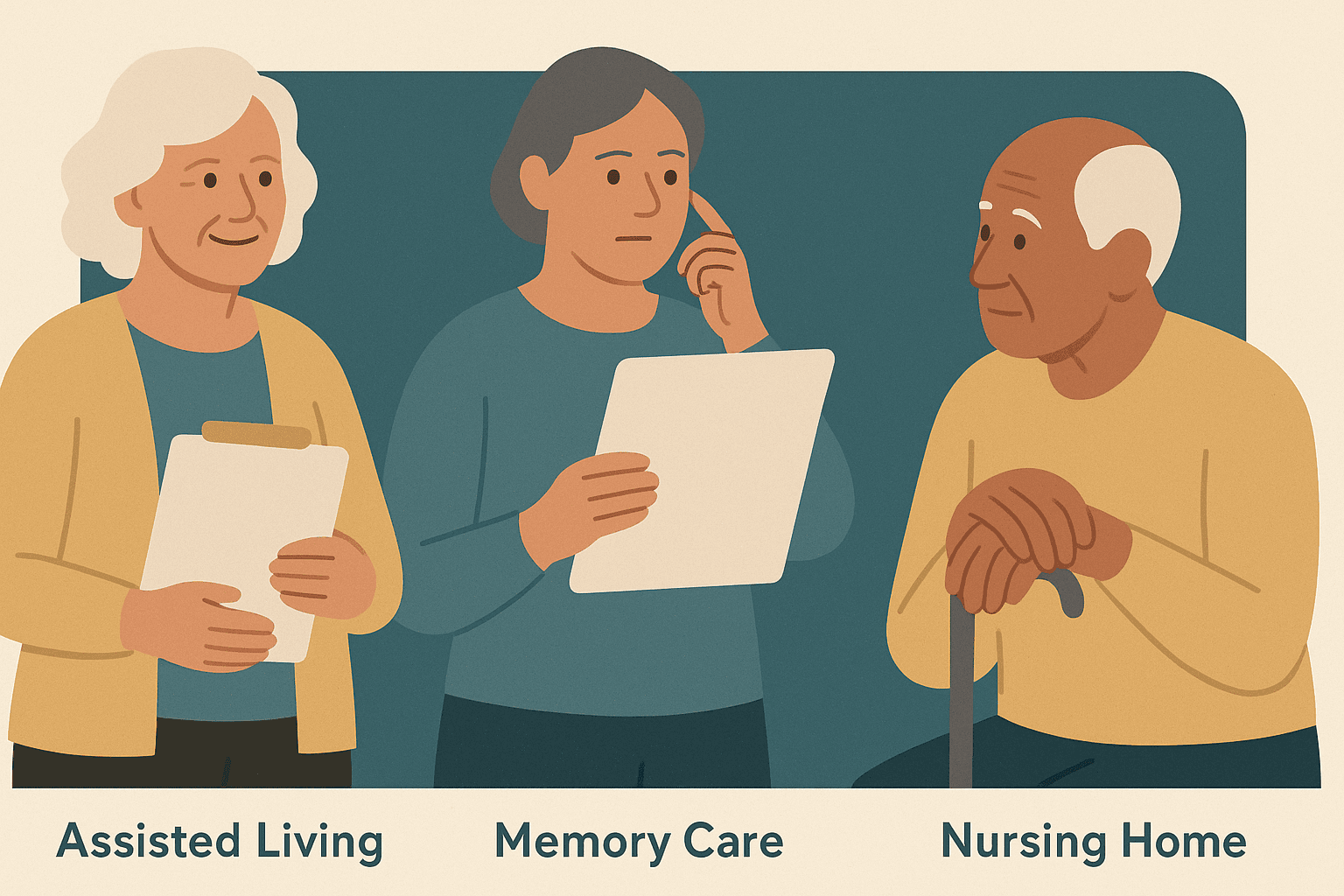
Assisted living, in-home care, memory care and nursing homes — current costs by state, plus the four ways families pay for it.

Send Me the Cost of Care Guide

No agent, no sales call.

Aging in Place Guide: Stay Independent at Home

Create a Safe, Comfortable Home for Your Golden Years

Aging in place means staying in your own home as you grow older, maintaining your independence and quality of life. This comprehensive guide helps you plan and prepare your home for successful aging in place, covering everything from home modifications to support services and financial planning.

What is Aging in Place?

Definition and Benefits

Aging in Place is the ability to live in your own home and community safely, independently, and comfortably, regardless of age, income, or ability level. It's about maintaining your lifestyle and connections while adapting your environment to meet changing needs.

Key Benefits:

  • Independence: Maintain control over your daily life
  • Comfort: Stay in familiar surroundings
  • Community: Keep social connections and support networks
  • Cost-Effective: Often less expensive than assisted living
  • Flexibility: Adapt your home to your specific needs
  • Peace of Mind: Reduce stress and anxiety about moving

Take the cost numbers with you

The free Cost of Long-Term Care guide prices out assisted living, memory care, in-home care and nursing homes by state — plus the four ways families pay for it. Educational only, nobody will call you.

No obligation, ever. Unsubscribe anytime.

Home Modifications for Aging in Place

Safety Modifications

Bathroom Safety:

  • Install grab bars in shower and near toilet
  • Add non-slip flooring and bath mats
  • Install walk-in shower or tub
  • Add shower seat or bench
  • Improve lighting and ventilation
  • Install raised toilet seat
  • Add handheld shower head

Kitchen Safety:

  • Lower countertops and cabinets
  • Install pull-out shelves and drawers
  • Add task lighting under cabinets
  • Install lever-style faucets
  • Add non-slip flooring
  • Improve ventilation
  • Consider induction cooktop

Conclusion

Aging in place is a viable and desirable option for many older adults, but it requires careful planning, preparation, and ongoing adaptation. By understanding your needs, making appropriate home modifications, arranging for necessary services, and maintaining your health and social connections, you can successfully age in place while maintaining your independence and quality of life.

Ready to plan for aging in place? Use this guide to assess your needs, make necessary modifications, and create a comprehensive plan for staying independent at home.


What Does Care Actually Cost Where You Live?

Assisted living, in-home care, memory care and nursing homes — current costs by state, plus the four ways families pay for it.

Send Me the Cost of Care Guide

No agent, no sales call.

Part of a larger guide

Moving a Parent Into Assisted Living: The Complete Family Guide

Moving a parent into assisted living is a process with five stages: confirming the level of care they need, building a budget that covers a national median of about $6,200 a month, touring and vetting communities, signing the residency agreement, and managing the move and first 90 days. This guide walks families through each stage, including how Medicare, Medicaid, VA benefits, and home equity fit in.

Read the full guide →

More in this series

8 Signs It's Time for Assisted Living (And 3 Signs It Isn't Yet) - Featured image

8 Signs It's Time for Assisted Living (And 3 Signs It Isn't Yet)

The clearest signs it is time for assisted living are a pattern, not a single bad day: falls, medication mistakes, weight loss, hygiene decline, an unmaintained home, unsafe driving, isolation, and caregiver burnout. This guide ranks all eight by urgency, gives the ADL threshold families actually use, and covers three situations that mean you still have time.

August 28, 2026Read More →

Assisted living, in-home care, memory care and nursing homes — current costs by state, plus the four ways families pay for it.

No obligation, ever. Unsubscribe anytime.