Test Category

Complete Guide to In-Home Care: Aging in Place with Support

In-Home Care Guide for Seniors In-home care offers seniors the ability to stay in their own homes while receiving the assistance they need. This guide provides actionable and valuable insights for se...

Published December 12, 2025Updated September 6, 2026

What Does Care Actually Cost Where You Live?

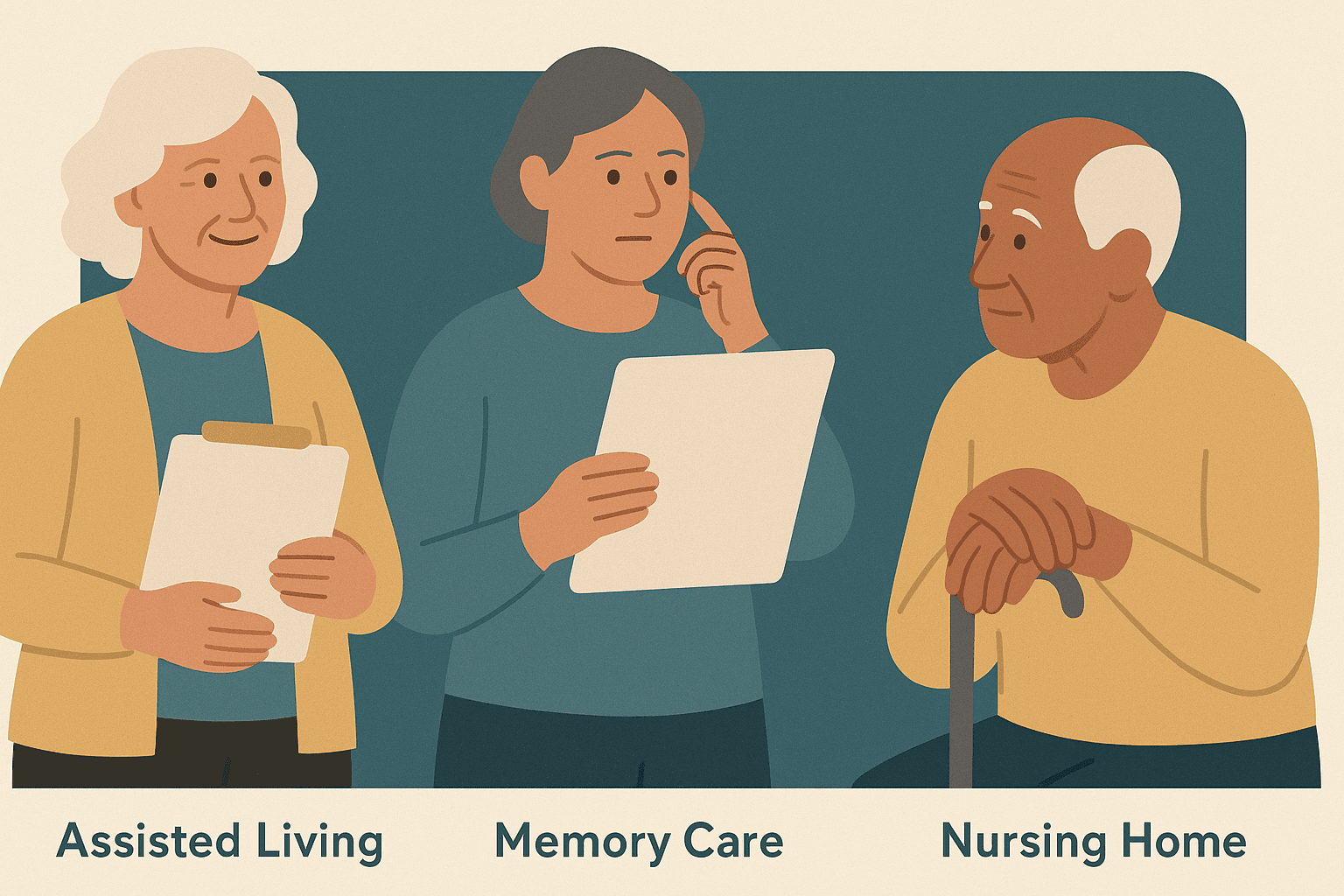
Assisted living, in-home care, memory care and nursing homes — current costs by state, plus the four ways families pay for it.

Send Me the Cost of Care Guide

No agent, no sales call.

In-Home Care Guide for Seniors

In-home care offers seniors the ability to stay in their own homes while receiving the assistance they need. This guide provides actionable and valuable insights for seniors who want to remain at home with support, covering the types of in-home care available, how to choose a provider, and the costs involved.

Understanding In-Home Care

In-home care encompasses a range of services provided in the comfort of your own home, designed to meet the varying needs of seniors. These services can include personal care, such as bathing and dressing, to more complex medical care.

Types of In-Home Care

  • Personal Care Services: Assistance with daily living activities like dressing, bathing, and meal preparation.
  • Healthcare Services: Provided by healthcare professionals, including nursing care, physical therapy, and medication management.
  • Companion Services: Social engagement and assistance with household tasks.

Choosing an In-Home Care Provider

  1. Assess Your Needs: Determine the level and type of care needed.
  2. Research Providers: Look for licensed and accredited providers with good reviews.
  3. Interview Providers: Ask about their experience, services, and costs.
  4. Check References: Speak with current or past clients if possible.

The Cost of In-Home Care

Benefits of In-Home Care

  • Comfort: Seniors can stay in their familiar environment.
  • Personalized Care: Care plans tailored to individual needs.
  • Independence: Encourages seniors to maintain their independence.
  • Cost-Effective: Often more affordable than residential care facilities.

How to Pay for In-Home Care

  • Private Pay: Out-of-pocket payments are common, especially for personal care services.
  • Insurance: Some long-term care insurance policies cover in-home care.
  • Medicare and Medicaid: May cover part of the cost, depending on the services needed and the state.

Take the cost numbers with you

The free Cost of Long-Term Care guide prices out assisted living, memory care, in-home care and nursing homes by state — plus the four ways families pay for it. Educational only, nobody will call you.

No obligation, ever. Unsubscribe anytime.

Preparing Your Home for In-Home Care

  • Safety Modifications: Install grab bars, ramps, and ensure good lighting.
  • Create a Comfortable Workspace: For healthcare providers to manage care effectively.
  • Organize Medications: Ensure they are easily accessible and clearly labeled.

Legal and Practical Considerations

  • Employment Law: Understand the legal implications if hiring directly.
  • Contracts: Ensure all agreements with in-home care providers are documented in writing.
  • Privacy: Be clear about how personal information is handled and protected.

Finding Support and Resources

  • Local Agencies: Many offer resources and referrals for in-home care.
  • Online Directories: Platforms like the Eldercare Locator can help find services.
  • Support Groups: Connect with others in similar situations for advice and support.

Conclusion

In-home care offers a viable option for seniors wishing to stay in their homes while receiving the necessary support. By understanding the types of services available, how to select a provider, and the associated costs, seniors and their families can make informed decisions that best suit their needs and preferences.

Snackable Depth

  • Did you know? The concept of in-home care dates back to the early 20th century, but it wasn't until the Medicare Act of 1965 that formal recognition and funding for home health services were established.
  • Micro-fact: In 2020, over 5 million Americans received in-home care services.
  • Surprising Insight: Despite the growing demand, in-home care can be more cost-effective than nursing home care, with an average saving of 30%.
  • Analogy: Choosing an in-home care provider is much like finding the right mechanic for your car – it requires research, references, and understanding exactly what services you need to keep everything running smoothly.

Authoritative sources

What Does Care Actually Cost Where You Live?

Assisted living, in-home care, memory care and nursing homes — current costs by state, plus the four ways families pay for it.

Send Me the Cost of Care Guide

No agent, no sales call.

Part of a larger guide

Complete Guide to Independent Living for Seniors

Independent Living Guide for Active Seniors For active seniors seeking a maintenance-free lifestyle, independent living offers a blend of autonomy, community, and peace of mind. This comprehensive gu...

Read the full guide →

More in this series

8 Signs It's Time for Assisted Living (And 3 Signs It Isn't Yet) - Featured image

8 Signs It's Time for Assisted Living (And 3 Signs It Isn't Yet)

The clearest signs it is time for assisted living are a pattern, not a single bad day: falls, medication mistakes, weight loss, hygiene decline, an unmaintained home, unsafe driving, isolation, and caregiver burnout. This guide ranks all eight by urgency, gives the ADL threshold families actually use, and covers three situations that mean you still have time.

August 28, 2026Read More →

Assisted living, in-home care, memory care and nursing homes — current costs by state, plus the four ways families pay for it.

No obligation, ever. Unsubscribe anytime.