Best Medical Alert Systems in 2026: 7 Options Compared

The best medical alert systems for 2026 compared — Bay Alarm Medical, Medical Guardian, MobileHelp, LifeFone, Lively, ADT Health, and Aloe Care Health — with fall detection, monitoring, costs, and how to choose. Educational only.

Published August 4, 2026Updated September 18, 2026
Best Medical Alert Systems in 2026: 7 Options Compared - Featured image

What Does Care Actually Cost Where You Live?

Assisted living, in-home care, memory care and nursing homes — current costs by state, plus the four ways families pay for it.

Send Me the Cost of Care Guide

No agent, no sales call.

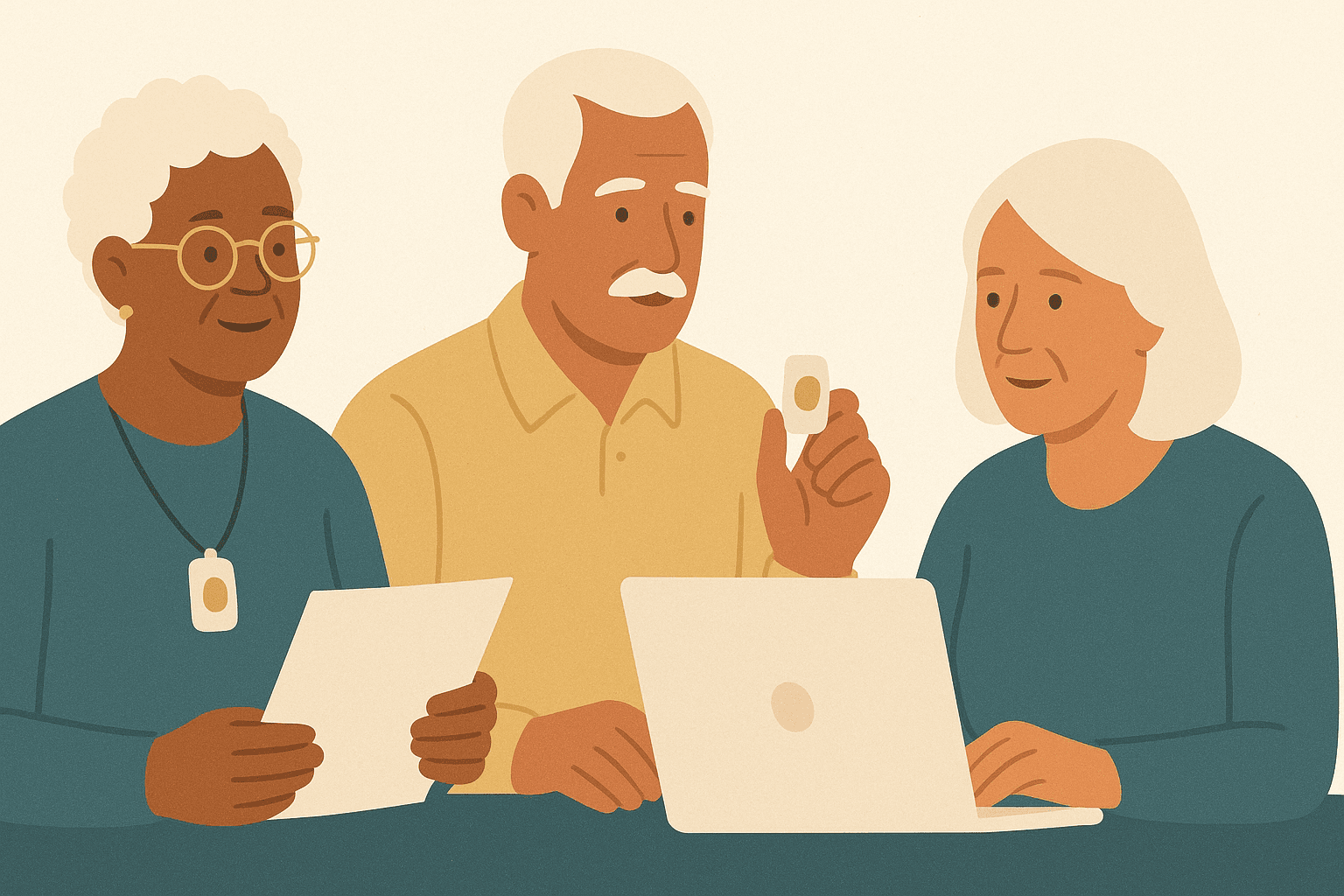
The best medical alert system in 2026 depends on your lifestyle and needs: Bay Alarm Medical is the best overall value, Medical Guardian offers the widest range of in-home and mobile devices, MobileHelp is best for couples and no-landline homes, LifeFone is best for caregiver features, Lively (formerly GreatCall) is best built into a simple phone, ADT Health brings a trusted name in monitoring, and Aloe Care Health is best for tech-forward voice (learn more about tax planning guide: optimize your retirement tax strategy) (learn more about medicare advantage vs medicare supplement) (learn more about medicare cost calculator) (learn more about annuity surrender charges: what you need to know) (learn more about assisted living vs memory care: which is right for your loved one?) (learn more about allianz index advantage annuity review: independent analysis (2026)) and family apps. For most people, an in-home unit with fall detection or a mobile GPS button with 24/7 monitoring covers the essentials — always add fall detection if there is any history of falls.

A medical alert system connects you to a 24/7 monitoring center at the press of a button — or automatically, if you fall — so help can reach you quickly whether you are home or out. For older adults who want to stay independent and for the families who love them, the right system provides real peace of mind. The best choice comes down to where you spend your time, whether you want automatic fall detection, and how the monthly costs and equipment fit your budget. Here is how seven trusted providers compare.

1. Bay Alarm Medical — best overall value

Bay Alarm Medical pairs reliable 24/7 monitoring with affordable monthly plans and a range of in-home, mobile GPS, and in-car options. Optional fall detection and no long-term contracts make it easy to start. Best fit: most people who want dependable coverage at a fair price.

Take the cost numbers with you

The free Cost of Long-Term Care guide prices out assisted living, memory care, in-home care and nursing homes by state — plus the four ways families pay for it. Educational only, nobody will call you.

No obligation, ever. Unsubscribe anytime.

2. Medical Guardian — best range of devices

Medical Guardian offers one of the broadest lineups, from classic in-home units to sleek mobile and smartwatch-style devices, so you can match the equipment to your routine. Best fit: people who want to choose from many device styles.

3. MobileHelp — best for couples and no-landline homes

MobileHelp runs on cellular networks — no landline required — and offers plans that cover two people in a household for a modest add-on. Best fit: couples and homes without a landline who want coverage for two.

4. LifeFone — best for caregiver features

LifeFone includes helpful extras like caregiver alerts, activity check-ins, and location updates that keep family in the loop, alongside flexible in-home and mobile options. Best fit: families who want caregiver tools built in.

5. Lively (formerly GreatCall) — best built into a simple phone

Lively integrates urgent-response service into easy-to-use Jitterbug phones and smartwatches, plus access to caring agents and nurses. Best fit: people who want alert features inside a phone they already carry.

6. ADT Health — best trusted monitoring name

ADT Health brings decades of professional monitoring experience to in-home and on-the-go medical alert devices, with optional fall detection. Best fit: people who value a long-established monitoring brand.

7. Aloe Care Health — best tech-forward and voice-activated option

Aloe Care Health offers a voice-activated smart hub, a mobile button, and a family app that keeps loved ones connected and informed. Best fit: tech-comfortable users and families who want app-based coordination.

How to choose the right medical alert system

Focus on what keeps you safe and independent:

  • In-home vs. mobile — pick in-home if you are mostly at home, mobile GPS if you are active outside
  • Add fall detection — automatic alerts matter most if there is any history of falls or balance issues
  • Check the monitoring center — look for 24/7, U.S.-based, professionally certified monitoring
  • Battery life and range — longer battery and wider in-home range mean fewer worries
  • Water resistance — a wearable you can keep on in the shower is safer, since many falls happen in bathrooms
  • Costs and contracts — compare monthly fees, equipment or activation charges, and avoid long lock-ins
  • Ease of use — the simplest device the wearer will actually keep on is the best one

Match the device to daily life, add fall detection when there is any fall risk, and confirm the monitoring is 24/7 before you commit.

The bottom line

For 2026, Bay Alarm Medical is the best overall value, Medical Guardian has the widest device selection, and MobileHelp is ideal for couples and no-landline homes — with LifeFone, Lively, ADT Health, and Aloe Care Health covering caregiver features, phone integration, trusted monitoring, and voice technology. Choose in-home or mobile based on your routine, add fall detection if there is any history of falls, and pick the system you will comfortably wear every day.

This article is for informational and educational purposes only and is not medical advice. Device features, monitoring terms, and pricing change often — verify current details with each provider before purchasing.


What Does Care Actually Cost Where You Live?

Assisted living, in-home care, memory care and nursing homes — current costs by state, plus the four ways families pay for it.

Send Me the Cost of Care Guide

No agent, no sales call.

Part of a larger guide

Complete Guide to Independent Living for Seniors

Independent Living Guide for Active Seniors For active seniors seeking a maintenance-free lifestyle, independent living offers a blend of autonomy, community, and peace of mind. This comprehensive gu...

Read the full guide →

More in this series

8 Signs It's Time for Assisted Living (And 3 Signs It Isn't Yet) - Featured image

8 Signs It's Time for Assisted Living (And 3 Signs It Isn't Yet)

The clearest signs it is time for assisted living are a pattern, not a single bad day: falls, medication mistakes, weight loss, hygiene decline, an unmaintained home, unsafe driving, isolation, and caregiver burnout. This guide ranks all eight by urgency, gives the ADL threshold families actually use, and covers three situations that mean you still have time.

August 28, 2026Read More →

Assisted living, in-home care, memory care and nursing homes — current costs by state, plus the four ways families pay for it.

No obligation, ever. Unsubscribe anytime.